Category Archives: Anime

Inside The Ninth Jedi’s Bigger Star Wars: Visions Story

Advertisements

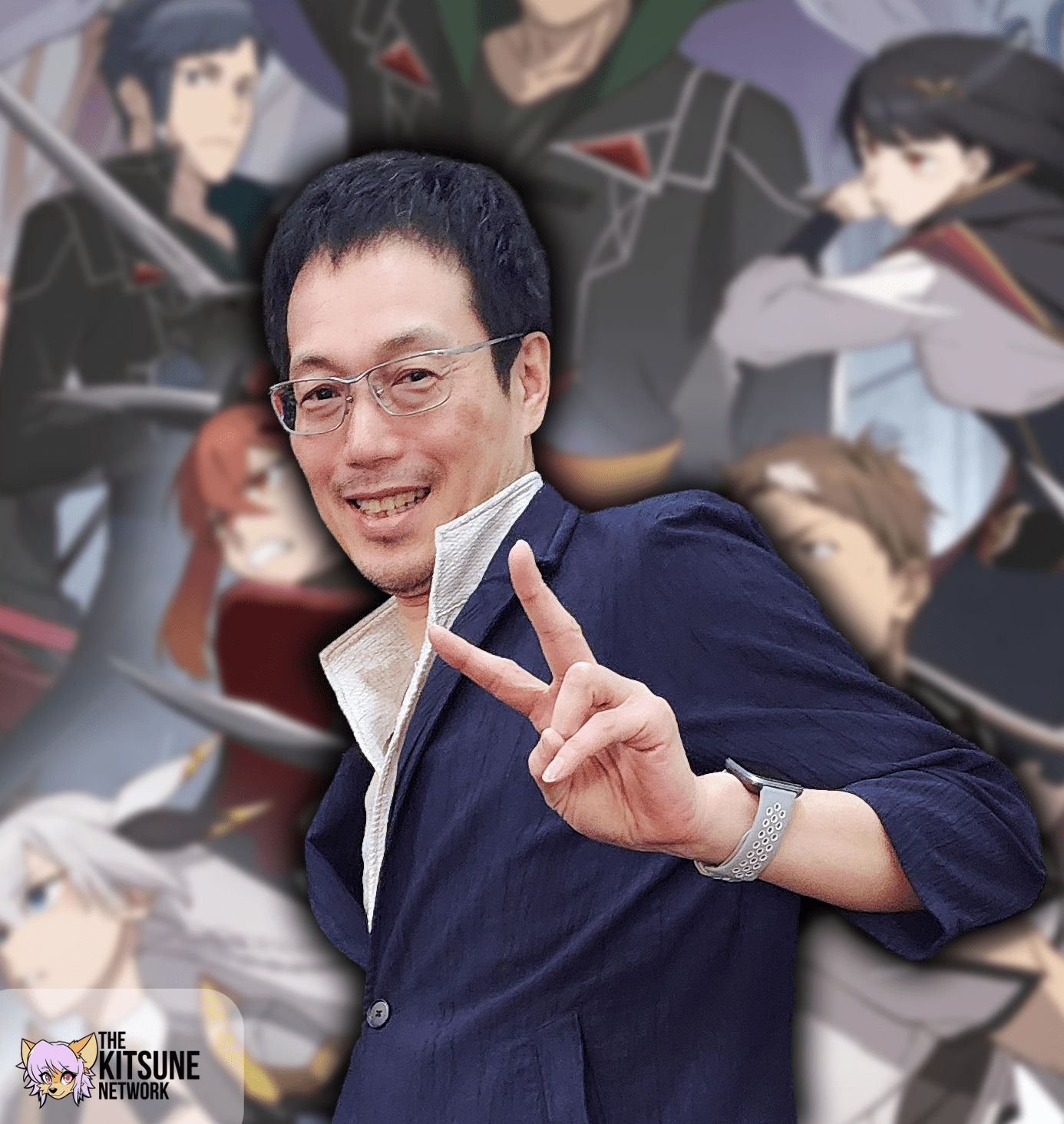
Supervising Director Kenji Kamiyama, Director Shunsuke Tada, and Producer Hitoshi Ito discuss Lah Kara’s next chapter, the mystery surrounding Lah Zhima, color-changing lightsabers, and building the series with Lucasfilm.

A lightsaber that changes color according to the heart of its wielder. A former Jedi living quietly as a lightsaber smith. A young heroine stepping toward a new era while the history of the Jedi has nearly faded away.

The Ninth Jedi introduced enough ideas to fill an entire corner of the Star Wars galaxy, even though its original story was told as a short within Star Wars: Visions. Its world felt larger than the time available to explore it, leaving viewers with questions about Lah Kara, her father Lah Zhima, and the unusual lightsabers at the center of their journey.

That sense of a much bigger story was not accidental.

In an interview with The Kitsune Network, Supervising Director Kenji Kamiyama, Director Shunsuke Tada, and Producer Hitoshi Ito discussed how The Ninth Jedi is growing from a self-contained short into a full series. Their answers reveal a project built around unfinished character stories, ambitious animation challenges, and a closer creative partnership with Lucasfilm.

TM & © Lucasfilm Ltd. All Rights Reserved

A Larger Story Was Already Waiting

Kamiyama did not begin expanding The Ninth Jedi from an empty page. Long before the series became possible, he had already developed far more of its characters and world than viewers could see in the original short.

“Whenever I create a work—not only this one—I develop far more background material than what ultimately appears on screen, including the story, characters, and world,” Kamiyama explained. “Even though The Ninth Jedi was a short, I dug deeply into each character and created detailed settings for them.”

Fans noticed that extra depth. Kamiyama recalled viewers discussing the short on social media and sensing that a larger story existed behind what they had watched. Because he already had ideas for where that story could go, he hoped there would eventually be an opportunity to revisit it.

That opportunity arrived when Lucasfilm approached the team about expanding the project.

“I felt it was an opportunity we had to take,” Kamiyama said.

The result is not simply more time in the same setting. The series gives the team room to return to mysteries that were essential to the original short but never fully explained.

Lah Zhima Is Where the Story Begins

TM & © Lucasfilm Ltd. All Rights Reserved

For Kamiyama, the most important thread to preserve was Lah Zhima, Kara’s father.

The original short established that Lah Zhima was a former Jedi who had become a lightsaber smith before being abducted. However, it left the reasons behind those events largely unexplored. Why had he abandoned his former life? Why was he targeted? What happened before Kara’s journey began?

Those questions are not side material. According to Kamiyama, they form the foundation of the larger story.

“Those unanswered questions are central to the short, and they are also where the entire story begins,” he said.

When developing the series, Kamiyama wanted to place Lah Zhima at the center and rebuild the story around his past as one of its main pillars. That approach gives the expansion a strong emotional core: Kara’s future is connected to a history involving her father, the lost Jedi, and the lightsabers he learned to forge.

Instead of simply sending Kara toward the next adventure, the series can explore the events that placed her on that path in the first place.

Building Kara’s New Jedi Group

TM & © Lucasfilm Ltd. All Rights Reserved

While Kamiyama focused on the history driving the plot, Tada concentrated on the relationships carrying it forward.

Tada joined The Ninth Jedi for its continuation and was not involved in producing the original short. When examining where the story had ended, he saw room to better define the relationships among Lah Kara, Ethan, Homen, and their master, Juro.

The characters had gathered, but their individual positions within the group were not yet completely clear. Tada wanted the series to reveal who they are through more than exposition.

“We worked to reveal that through their dialogue, behavior, and small gestures,” Tada said. “Giving those relationships more depth was very important to me.”

For anime fans, those smaller interactions can be just as important as the next major battle. A glance, an argument, or the way one character reacts under pressure can define a group long before anyone explains their feelings aloud. By giving the cast more room to interact, the series can turn the promising party assembled in the short into a more convincing team.

Ito identified another element that needed to remain at the center: Kara’s path toward becoming a new kind of Jedi. Her development and the lightsabers created by Kamiyama are closely connected, allowing the series to explore a new era through both character growth and visual storytelling.

The Lightsabers Created an Animation Challenge

The color-changing lightsabers were among The Ninth Jedi’s most memorable ideas. Rather than remaining fixed, each blade reveals something about the heart of the person holding it.

Preserving that concept in a full series was not guaranteed.

Kamiyama explained that the freedom of Visions made it possible to take risks with the familiar rules surrounding Jedi and lightsabers. Expanding those ideas into a much larger production raised concerns about whether the concept differed too greatly from the established Star Wars setting—and whether fans would continue to accept it.

Support from Ito and Lucasfilm helped the team preserve what made the short distinctive. Because the story exists outside the canon and takes place in the distant future, the team could imagine a world in which the familiar Jedi and their lightsabers had disappeared.

Fan enthusiasm for the original short also mattered. Viewers had already embraced the surprise of seeing lightsaber colors work differently, giving the team confidence to take that creative risk again on a larger scale.

For Tada, however, preserving the idea created a practical animation problem: How do you make those colors visibly different without losing the intense glow that makes a lightsaber feel like a lightsaber?

A dramatic shift from Jedi blue to Sith red is relatively easy to communicate. The colors belonging to Ethan, Homen, and Kara are much more subtle. Viewers can recognize the differences when the blades are compared directly, but reproducing those slight variations consistently on screen required careful work.

The brighter a lightsaber shines, the more its highlight moves toward white, which can wash away the hue the animation team needs the audience to see. The silver lightsaber was the hardest of all.

“Silver is not simply a color; in many ways, it has to be expressed through texture,” Tada explained. “We conducted many tests to make sure it looked right.”

It is the kind of technical detail viewers may register without consciously noticing. If the effect works, the lightsabers remain bright, powerful, and instantly readable while still communicating something unique about each wielder.

Creating Star Wars Across Two Storytelling Traditions

The move from short to series also changed the team’s relationship with Lucasfilm.

Ito explained that the original Visions short was made with considerable creative freedom. Lucasfilm largely trusted the team to develop its own interpretation unless a major issue arose. A full series, however, was a bigger project, and Lucasfilm naturally became more closely involved.

That involvement led to frequent feedback, detailed discussions, and a more collaborative production process. It also required both teams to navigate differences between Japanese and Western approaches to storytelling.

Ito noted that Japanese stories sometimes trust the audience to understand an idea without stating it directly. Western storytelling may ask for the same moment to be explained more explicitly or structured more logically. Reconciling those approaches required patience and careful communication from the production team.

The process was demanding, but Ito described it as equally rewarding.

“Working together as a genuine co-production between the Japanese and American teams taught me a great deal,” Ito said, adding that the project was built on strong mutual respect and trust between the anime staff and Lucasfilm.

That collaboration could become one of the series’ greatest strengths. The Ninth Jedi began as a Japanese animated interpretation of Star Wars, but its expansion is being shaped through a deeper exchange between the teams responsible for both sides of that identity.

Forging the Next Chapter

Supervising Director Kenji Kamiyama, Director Shunsuke Tada, and Producer Hitoshi Ito during our interview at Anime Expo 2026 in Los Angeles

At its core, the expanded version of The Ninth Jedi is holding onto the ideas that made the original short so compelling: a distant future where the Jedi have nearly disappeared, lightsabers capable of revealing their wielders’ hearts, and Lah Kara’s journey toward becoming something new.

The difference is that the team can now explore the history and relationships behind those ideas. Kamiyama is returning to the larger world he had already imagined. Tada is giving Kara, Ethan, Homen, and Juro room to become a believable group. Ito is helping bridge two storytelling traditions as the production grows alongside Lucasfilm.

For fans who finished the short convinced that an entire galaxy existed beyond its final scene, Kamiyama’s answer confirms that instinct was right. The Ninth Jedi always carried the foundation of a much larger adventure. Now, its supervising director, director, and producer are finally forging the rest of that story.

About The Ninth Jedi

In the new series, Lah Kara continues to train in the ways of the Jedi under Margrave Juro. Kara goes on an epic journey of self-discovery as she and Juro’s small fellowship of Jedi in training embark on a quest to save her father and stop a mysterious Sith leader from unleashing darkness upon the galaxy.

Part of an all-new banner, “Star Wars: Visions Presents,” which will be used to tell longer-form “Star Wars: Visions” stories, the limited series picks up not long after the events of the Visions shorts “The Ninth Jedi” and “The Ninth Jedi: Child of Hope.”

Interview responses were lightly edited for clarity. The Japanese-language responses were prioritized when reconstructing the original conversation.

Watch our full interviews above, and stay tuned to The Kitsune Network for more anime coverage, cast interviews, and convention features.

Join 576 other subscribers
Cocoon – One Summer of Girlhood Turns Flowers Into a Haunting Plea for Peace
Director Yukimitsu Ina and former Studio Ghibli animator Hitomi Tateno speak with …
Neverness to Everness Brings Hethereau’s City Life to Anime Expo 2026 | INTERVIEW
At Anime Expo 2026, VTuber Krystal Vee interviewed Isabel Chung about Neverness …
Goodbye, Lara Director Takushi Koide Reimagines The Little Mermaid for Modern Japan | INTERVIEW
The director of Kinema Citrus' original anime, Goodbye, Lara, discusses its unique …
AOASHI Producer Junichi Katsutani on the Heart, Strategy, and Growth Driving Season 2
At Anime Expo 2026, producer Junichi Katsutani discussed AOASHI's unique blend of …
Thunder3 Director Hiroyuki Seshita and Scriptwriter Hiroshi Seko Break Down the Anime’s Two Worlds | INTERVIEW
The interview with director Hiroyuki Seshita and scriptwriter Hiroshi Seko reveals insights …
Anime Director Kazumi Akio Discusses the heart of ‘From Old Country Bumpkin to Master Swordsman’ Season Two
From Old Country Bumpkin to Master Swordsman follows Beryl, an older swordsman …
Crunchyroll English Cast Talk Witch Hat Atelier, Dr. STONE & Daemons of the Shadow Realm | VTUBE Interview
Crunchyroll's anime lineup showcases diverse storytelling, featuring titles like Witch Hat Atelier, …
GKIDS’ ‘Another World’ Brings Hong Kong’s Record-Breaking Animated Fantasy to Audiences | Exclusive VTube Interview
GKIDS presents "Another World," a dark fantasy animated film from Hong Kong, …
Andrew Choi Talks “KPop Demon Hunters” and Jinu’s Voice at Amazing Art Expo Long Beach
Andrew Choi attended the Amazing Art Expo in Long Beach, discussing his …
Shoji Kawamori Returns with First Original Feature Film, Labyrinth — Exclusive VTuber Interview
Anime creator Shoji Kawamori is releasing his highly anticipated film, Labyrinth, which …

Goodbye, Lara Director Takushi Koide Reimagines The Little Mermaid for Modern Japan | INTERVIEW

Advertisements

The director discusses building Kinema Citrus’ original anime from scratch, grounding Lara’s journey in Shiga Prefecture, and why the title carries a deeper meaning.

What if a mermaid’s fairy tale began again roughly 200 years later, not in the ocean but in Lake Biwa?

That striking idea sits at the heart of Goodbye, Lara, an original Japanese television anime created and animated by Kinema Citrus. The series places its mermaid heroine in modern-day Japan, blending a familiar fairy-tale foundation with the landscapes of Shiga Prefecture and a personal story about leaving one world behind to enter another.

Director Takushi Koide

In an interview with The Kitsune Network’s Krystal, director Takushi Koide discussed the creative freedom of building an original anime, the challenge of translating a centuries-old story for today’s audiences, and the real-life emotions he placed at the center of Lara’s journey.

©Kinema Citrus/Goodbye Lara PARTNERS

An Original Anime Built From Zero

For Koide, Goodbye, Lara carries another layer of significance: it marks his first major project as a director.

Goodbye, Lara is a rare opportunity because it is a completely original anime,” Koide explained.

As a fully original production, the project gave Koide and the team the chance to shape the story, visuals, and even the way the anime uses time from the ground up. For Koide, that freedom was not simply permission to make bigger creative choices. It was an opportunity to give each part of the production the attention it deserved.

“I have always wanted to treat every element of an anime with great care, whether it is the background art or the animation itself.”

Koide hopes viewers can feel the love and craftsmanship behind the series. More importantly, he wants audiences to experience the story through Lara’s eyes and discover Shiga Prefecture alongside her.

Reimagining The Little Mermaid for Today’s Audience

Although adapting the concept of The Little Mermaid might sound intimidating, Koide said that part was actually fun. The real challenge was bringing a fairy tale written in the 1800s into a modern setting with themes that feel relevant today.

“We also needed to develop an aesthetic unique to this work and communicate it to the audience through the visuals,” he said.

That meant Goodbye, Lara could not simply relocate a familiar story to Japan. The team needed a clear visual identity capable of making its fairy-tale roots and contemporary setting feel like parts of the same world.

Lara’s Journey Began With Koide’s Own

The most personal inspiration behind the anime came from Koide’s own life. He explained that he left Shiga Prefecture, where Goodbye, Lara is set, and moved to Tokyo alone to begin his career.

“When I created Lara, I gave her some of the same feelings I had when I moved to Tokyo. She leaves the world of mermaids and enters the human world.”

That experience gave Lara’s transition an emotional foundation beyond the fantasy premise. Her journey from the mermaid world into the human world reflects the uncertainty of leaving a familiar place, crossing a boundary, and trying to understand life somewhere new.

“To me, this is a story about someone who crosses a boundary and moves into another world,” Koide said.

Even Creative Freedom Needs Rules

Animation can depict almost anything, but Koide views that unlimited canvas as both a strength and a potential trap. Without a consistent approach, a world that combines fantasy and modern Japan could quickly become confusing.

“If you try to depict everything, the result can become confusing or messy,” Koide explained. “As part of our directing approach, we established certain rules for how this particular work would express its ideas so that everyone shared the same direction.”

Viewers may initially be surprised by the combination of a fairy-tale world and a Japanese setting. Once production began, however, Koide said those elements did not feel as far apart to the team as they might appear. He believes audiences will understand that connection once they watch the anime.

©Kinema Citrus/Goodbye Lara PARTNERS

What Does Goodbye, Lara Really Mean?

Of course, a title like Goodbye, Lara immediately raises one important question: Who, or what, is saying goodbye?

When Krystal asked whether the title should be taken literally or carried a deeper meaning, Koide remained careful not to reveal too much.

“I cannot say too much without spoiling the story, but the title does have a deeper meaning. It connects to the overall concept behind the work.”

That spoiler-free tease makes the title part of the mystery. Whatever Lara must leave behind, Koide wants viewers to discover its meaning by following the world from her perspective.

Goodbye, Lara is shaping up as more than a modern retelling of a familiar fairy tale. It is a personal journey constructed with intention, where Lake Biwa can feel as magical as any storybook ocean and crossing into another world may only be the beginning. For anime fans drawn to original worlds and creator-driven stories, Lara’s next life is one worth watching closely.

This article is based on The Kitsune Network’s interview with director Takushi Koide. Interview responses have been lightly edited for clarity.

Watch our full interviews above, and stay tuned to The Kitsune Network for more anime coverage, cast interviews, and convention features.

Join 576 other subscribers
Cocoon – One Summer of Girlhood Turns Flowers Into a Haunting Plea for Peace
Director Yukimitsu Ina and former Studio Ghibli animator Hitomi Tateno speak with …
Neverness to Everness Brings Hethereau’s City Life to Anime Expo 2026 | INTERVIEW
At Anime Expo 2026, VTuber Krystal Vee interviewed Isabel Chung about Neverness …
Inside The Ninth Jedi’s Bigger Star Wars: Visions Story
The Ninth Jedi expands into a full series, exploring the rich backstory …
AOASHI Producer Junichi Katsutani on the Heart, Strategy, and Growth Driving Season 2
At Anime Expo 2026, producer Junichi Katsutani discussed AOASHI's unique blend of …
Thunder3 Director Hiroyuki Seshita and Scriptwriter Hiroshi Seko Break Down the Anime’s Two Worlds | INTERVIEW
The interview with director Hiroyuki Seshita and scriptwriter Hiroshi Seko reveals insights …
Anime Director Kazumi Akio Discusses the heart of ‘From Old Country Bumpkin to Master Swordsman’ Season Two
From Old Country Bumpkin to Master Swordsman follows Beryl, an older swordsman …
Crunchyroll English Cast Talk Witch Hat Atelier, Dr. STONE & Daemons of the Shadow Realm | VTUBE Interview
Crunchyroll's anime lineup showcases diverse storytelling, featuring titles like Witch Hat Atelier, …
GKIDS’ ‘Another World’ Brings Hong Kong’s Record-Breaking Animated Fantasy to Audiences | Exclusive VTube Interview
GKIDS presents "Another World," a dark fantasy animated film from Hong Kong, …
Andrew Choi Talks “KPop Demon Hunters” and Jinu’s Voice at Amazing Art Expo Long Beach
Andrew Choi attended the Amazing Art Expo in Long Beach, discussing his …
Shoji Kawamori Returns with First Original Feature Film, Labyrinth — Exclusive VTuber Interview
Anime creator Shoji Kawamori is releasing his highly anticipated film, Labyrinth, which …

AOASHI Producer Junichi Katsutani on the Heart, Strategy, and Growth Driving Season 2

Advertisements

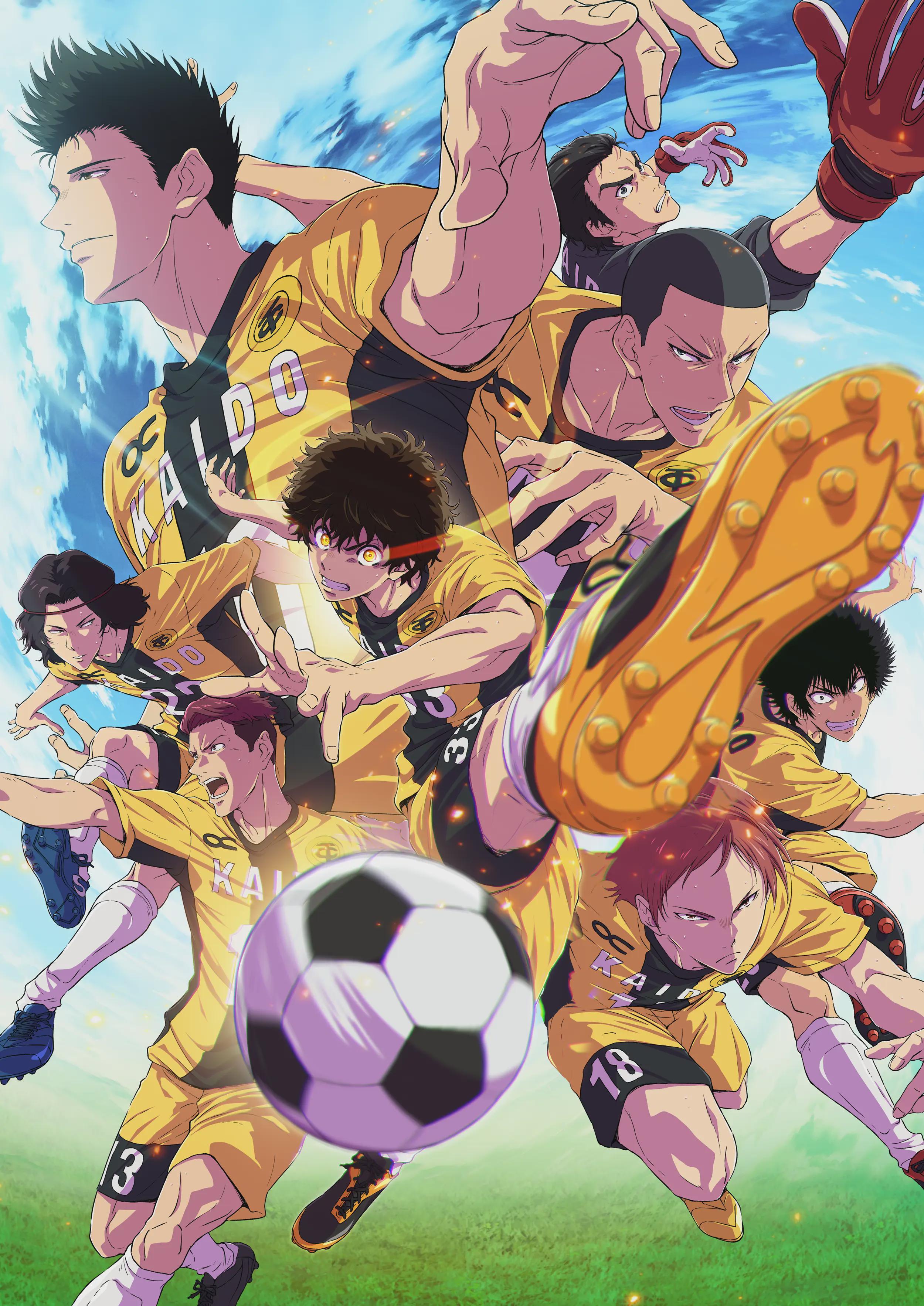
At Anime Expo 2026, The Kitsune Network spoke with AOASHI producer Junichi Katsutani about realistic soccer, Ashito’s defining moments, and how season two expands both the action and human drama.

Sports anime can turn a single pass, sprint, or last-second decision into the kind of moment that leaves fans holding their breath. But AOASHI has always aimed beyond the thrill of competition. Beneath its tactics and match-day intensity is a coming-of-age story about failure, family, ambition, and learning how to see the game differently.

During Anime Expo 2026, The Kitsune Network’s Krystal sat down with producer Junichi Katsutani to discuss what separates AOASHI from other sports anime, the emotional scene that convinced him the manga belonged on television, and what viewers can look forward to as the story continues into season two.

At the heart of his answer was a simple idea: AOASHI works because its technical authenticity and human storytelling are never treated as separate experiences.

Real Soccer With Real Human Stakes

For Katsutani, two qualities define the series.

“I think there are two major differences,” he explained. “First, the story incorporates realistic soccer techniques and strategies. Second, there is a strong element of human drama, not only between Ashito and his teammates, but also between him and his family, including his mother and brother. Those two elements are probably the series’ greatest appeals.”

Soccer fans can dig into the formations, positional responsibilities, and split-second decisions that shape each match. Viewers who have never followed the sport, however, still have an easy way into the story through Ashito Aoi’s relationships and personal growth.

Katsutani described the strategy as an added bonus rather than a barrier to entry. Ashito begins his journey as a slightly arrogant and inexperienced player, but his confidence is repeatedly tested as he discovers how much he still has to learn.

“You don’t need to understand the finer details of soccer to appreciate his journey,” Katsutani said. “Ashito begins as a slightly arrogant and very unskilled player. Over time, he is humbled, begins aiming higher, and works toward the Premier League. His personal growth is something anyone can relate to.”

Even viewers who could not explain an offside trap can understand the experience of trying to level up, entering a more competitive world, and realizing that raw enthusiasm is only the beginning.

The Letter That Made AOASHI Feel Ready for Anime

Before the tactical battles and major turning points, one quieter moment convinced Katsutani that AOASHI could become something special in animation: the episode-five scene in which Ashito, having left Ehime for Tokyo, reads a letter from his mother.

“He is deeply moved and cries after reading it,” Katsutani recalled. “When I saw that scene, I felt it would be wonderful to bring to life through animation.”

The scene captures the emotional cost of Ashito’s ambition. His dream requires him to leave behind the people and place that shaped him, making his journey about far more than winning matches.

“What makes it especially powerful is that you don’t need to be a soccer fan to appreciate it,” Katsutani added. “It’s a very human moment that many people can relate to: leaving home, family, and friends. That scene was particularly special to me, and it became an important motivation for adapting the series into an anime.”

It is a moment built around separation, gratitude, and the difficult realization that moving toward a dream sometimes means moving away from home. That emotional honesty gives AOASHI a connection to viewers who may have arrived for the soccer but stayed for Ashito and his family.

Turning Manga Panels Into Motion

Adapting a sports manga presents a particular challenge. The anime must preserve the detail that makes each play believable while transforming still panels into movement with speed, weight, and impact.

Katsutani said the production team never wanted the action to overshadow the relationships at the center of the manga.

“The manga places a strong emphasis on human drama, particularly Ashito’s relationships with the people around him: his friends, teammates, family, and love interest,” he explained. “Aside from the soccer itself, that is a very important part of the story’s appeal, so I wanted to make sure we portrayed it properly.”

At the same time, the matches needed to feel just as dynamic in animation as they did on the page.

“Even on the page, many of the match scenes feel like moving pictures,” Katsutani said. “In season two, as I mentioned during this morning’s panel, we placed even more focus on delivering strong action sequences.”

Finding that balance required an ongoing conversation between the producer, writer, and director. The team wanted to retain the manga’s technical soccer elements without sacrificing the breathing room needed for its character drama.

“Our goal was to preserve the technical aspects that make AOASHI special while also giving the storytelling, especially the human drama, enough room,” Katsutani explained. “It was a constant discussion to find the right balance without losing the manga’s core appeal.”

Producer Junichi Katsutani during our interview at Anime Expo 2026

The Turning Point Where the Story Truly Begins

The following section discusses a major turning point from AOASHI season one.

The letter from Ashito’s mother was the first scene to leave a major impression on Katsutani, but another season-one moment became equally important: Coach Fukuda’s decision to move Ashito from striker to defender.

For a player who defines himself through scoring goals, the decision is devastating. It also overturns the destination many viewers may have expected for a sports-anime protagonist.

“That is a huge turning point,” Katsutani said. “In many ways, it is where the story truly begins. The decision is a tremendous shock to Ashito, and it was probably just as surprising for readers experiencing it for the first time.”

The moment forces Ashito to reconsider not only how he plays, but also who he believes he can become. What initially feels like the destruction of his dream becomes an invitation to evolve.

Katsutani also highlighted the support Ashito receives from his mother and Hana, who approach his struggle from outside the competitive world consuming him. One of his most memorable scenes comes when Hana attempts to pull Ashito out of his despair by telling him, bluntly, that it is “only soccer.”

“That is something only a person who isn’t directly involved in soccer could say, which is why it has such an impact,” Katsutani explained. “It’s a very memorable and dramatic scene.”

Season 2 Widens the Field

As Ashito rises through the ranks, season two will expand the series beyond its established group. New A-team players and rival teams will bring fresh personalities, challenges, and perspectives to the pitch.

Katsutani stressed that these additions are more than a larger roster of skilled opponents. The players may initially appear exceptional or even untouchable, but the story gradually reveals the pressure, weaknesses, and personal concerns each of them carries.

“Beyond Ashito’s central story, viewers will learn much more about these different players,” he said. “The human drama expands considerably from season one to season two, so I hope viewers pay attention to that and enjoy the series.”

For fans who love the character-focused arcs of ensemble sports anime, that broader perspective could become one of the new season’s biggest strengths. Every position brings a different responsibility, and every player has something to prove.

A Message That Reaches Beyond Soccer

Katsutani hopes newcomers and returning fans alike find motivation in Ashito’s refusal to remain defeated.

“His story isn’t limited to soccer,” he said. “It explores what it means to become a professional and to keep aiming higher.”

Ashito’s progress is rarely clean or comfortable. He makes mistakes, has his assumptions challenged, and is forced to rebuild his understanding of the game. What makes him inspiring is not perfection, but his willingness to stand back up and keep moving.

“It may not be easy to remain as positive and persistent as Ashito,” Katsutani said, “but I hope his journey gives someone the extra push they need to work harder and pursue their own goals.”

That may be AOASHI’s most universal strength. Whether viewers arrive as devoted soccer fans or simply love a strong character-driven anime, Ashito’s journey delivers the same reminder: aiming higher often means accepting that growth will change the way you play, the way you see yourself, and even the dream you thought you were chasing.

This article is based on The Kitsune Network’s interview with Junichi Katsutani at Anime Expo 2026. Interview responses have been lightly edited for clarity.

Watch our full interviews above, and stay tuned to The Kitsune Network for more anime coverage, cast interviews, and convention features.

Join 576 other subscribers
Cocoon – One Summer of Girlhood Turns Flowers Into a Haunting Plea for Peace
Director Yukimitsu Ina and former Studio Ghibli animator Hitomi Tateno speak with …
Neverness to Everness Brings Hethereau’s City Life to Anime Expo 2026 | INTERVIEW
At Anime Expo 2026, VTuber Krystal Vee interviewed Isabel Chung about Neverness …
Inside The Ninth Jedi’s Bigger Star Wars: Visions Story
The Ninth Jedi expands into a full series, exploring the rich backstory …
Goodbye, Lara Director Takushi Koide Reimagines The Little Mermaid for Modern Japan | INTERVIEW
The director of Kinema Citrus' original anime, Goodbye, Lara, discusses its unique …
Thunder3 Director Hiroyuki Seshita and Scriptwriter Hiroshi Seko Break Down the Anime’s Two Worlds | INTERVIEW
The interview with director Hiroyuki Seshita and scriptwriter Hiroshi Seko reveals insights …
Anime Director Kazumi Akio Discusses the heart of ‘From Old Country Bumpkin to Master Swordsman’ Season Two
From Old Country Bumpkin to Master Swordsman follows Beryl, an older swordsman …
Crunchyroll English Cast Talk Witch Hat Atelier, Dr. STONE & Daemons of the Shadow Realm | VTUBE Interview
Crunchyroll's anime lineup showcases diverse storytelling, featuring titles like Witch Hat Atelier, …
GKIDS’ ‘Another World’ Brings Hong Kong’s Record-Breaking Animated Fantasy to Audiences | Exclusive VTube Interview
GKIDS presents "Another World," a dark fantasy animated film from Hong Kong, …
Andrew Choi Talks “KPop Demon Hunters” and Jinu’s Voice at Amazing Art Expo Long Beach
Andrew Choi attended the Amazing Art Expo in Long Beach, discussing his …
Shoji Kawamori Returns with First Original Feature Film, Labyrinth — Exclusive VTuber Interview
Anime creator Shoji Kawamori is releasing his highly anticipated film, Labyrinth, which …

Thunder3 Director Hiroyuki Seshita and Scriptwriter Hiroshi Seko Break Down the Anime’s Two Worlds | INTERVIEW

Advertisements

The director and scriptwriter discuss key visuals, character-first adaptation choices, and why hearing fans shout “No!” was exactly the reaction they wanted.

Thunder3 looks like two different anime – or two different game engines – collided inside the same frame. For the creative team, that reality-bending contrast is not a gimmick. It is the key to bringing Yuki Ikeda’s singular science-fiction manga to life.

The Small Three are not exactly the heroes most worlds would choose. Pyontaro Tezuka, Hiroshi Ochanomizu, and Tsubame Azuma are ordinary middle schoolers who play a mysterious disc borrowed from their teacher, Doc. When Pyontaro’s younger sister, Futaba, disappears into the other universe shown on the screen, the trio follows – and discovers that the visual rules, power levels, and dangers of that world are very different from their own.

During Anime Expo 2026, The Kitsune Network spoke with Thunder3 chief director Hiroyuki Seshita and series composition and scriptwriter Hiroshi Seko about the unusual challenge of adapting those clashing realities. Their answers revealed a production driven as much by affection for the characters as by high-concept visual experimentation.

A Manga That Had to Move

Asked why Thunder3 needed to become an anime, Seshita did not overcomplicate the answer: “It is very simple: I read the original manga and found it incredibly interesting.”

Seko responded with the kind of dry joke that immediately established the pair’s easy rapport. “Because Mr. Seshita told me, ‘Do it,'” he said before laughing and clarifying that Seshita had simply invited him to join the project.

Beneath the joke is a serious adaptation problem. Thunder3 is not merely a manga with two settings; it is built around two dramatically different visual languages. The Small Three and their familiar world carry an overtly manga-like charm, while the universe beyond the screen is rendered with a much harsher sense of reality. Animation had to preserve that collision without making either side feel like it belonged to a completely different production.

No Spoilers, No Homework

For newcomers wondering how much they should learn before pressing play, Seshita and Seko offered the same advice: nothing at all.

“They do not need to know anything,” Seshita said. “I would like them to simply enjoy it without any prior knowledge.” Seko agreed, adding that he would actually prefer viewers not seek out advance information before starting the series.

That is a refreshing instruction in an era when seasonal anime arrives surrounded by trailers, character videos, manga comparisons, and frame-by-frame fan theories. Thunder3 wants the first encounter to feel like finding a strange disc yourself: familiar for a moment, then suddenly impossible to predict.

When the Characters Outgrow the Storyboards

The most exciting surprise for Seshita was not a giant action sequence or a technical breakthrough. It was watching the characters become even more charming once they moved and gained color.

He explained that the cast’s appeal grew far beyond what the team expected, to the point that they added shots that had not been part of the original plan. The potential had always existed in Ikeda’s manga, but animation made the production team see the characters differently.

Futaba and her dog Pusuke stood out to both Seshita and Seko. Seshita was surprised by how lovable the pair became on screen, while Seko said their simple presence could sustain a moment even when the plot was not advancing. For anyone who has ever watched a game companion steal an entire scene through a tiny idle animation, the feeling should be instantly recognizable. “Their presence alone can carry a scene, and that helped us enormously.” said, Seko.

Designing the Collision Between Two Worlds

Finding the right visual boundary between the manga world and the realistic universe became one of Seshita’s greatest challenges. Early experiments pushed the contrast in obvious directions. The team considered presenting the realistic world in black and white. They also tested an extremely detailed, realistic approach.

Neither solution worked. Making the world too realistic stripped away its appeal as animation. Turning it black and white created separation, but it weakened the drama taking place there. The goal was more delicate: the realistic world needed to remain visually engaging while the arrival of the manga-like characters still felt strange and disruptive.

The answer came from the original manga covers. Seshita’s team surrounded the manga-world characters with halftone dots inspired by older American comics and the limitations of early printing technology. The effect lets the characters carry a trace of their home medium into the other universe, creating a boundary without breaking the image apart.

“That became the visual rule that defined the style,” Seshita said. It is the kind of elegant visual solution that anime and video game fans love to dissect: a simple effect that communicates world-building before a character says a word.

Giving Segami Room to Breathe

Adaptation also meant knowing when the anime needed more material. Seko pointed to Teichi Segami, the constantly complaining college student whose internal monologue became one of Seshita’s favorite elements in the realistic world.

The manga material surrounding Segami was not long enough to fill an entire episode exactly as written, so Seko expanded his scenes and dug deeper into his personality. That decision is especially visible in the anime’s fourth episode, “MR. SEGAMI.”

Seko was careful to distinguish the expansion from filler. “It was not background material or simple filler; we used the additional time to give his character more depth,” he explained. The added material gave the anime room to communicate Segami’s charm and oddness instead of treating him as a bridge between larger plot points.

Protecting the Manga Without Freezing It in Place

For Seko, the central responsibility of adaptation is preserving the appeal of the original work without treating manga panels as untouchable storyboards. Manga, he noted, is constructed from connected still images on paper. Anime has to transform those images into movement in the most interesting way possible.

That transformation requires choices about pacing, episode length, comedy, action, and where a scene needs more breathing room. Yet one rule remains constant. “The greater challenge – and this is true of any adaptation, not only Thunder3 – is never losing the appeal of the original work,” Seko said. “That is the foundation of everything.”

It is a philosophy visible throughout the interview: fidelity is not measured by recreating every panel at the same speed. It is measured by whether the anime can reproduce the feeling that made the manga worth adapting in the first place.

The Best Kind of “No!”

The director and scriptwriter had just returned from an Anime Expo screening when Krystal asked about their favorite audience reaction. Seshita said viewers responded emotionally to the same moments that moved the production team, creating the sense that their intentions had reached the room exactly as planned.

Then episode two ended – and the audience loudly objected.

“It was a very audible ‘no,'” for Seshita and Seko, that was a victory. The cliffhanger had landed. Seko was equally pleased that the crowd laughed at the moments designed for comedy before shouting when the episode stopped. “Hearing everyone shout ‘No!’ made me incredibly happy,” he said.

That reaction may be the clearest sign that Thunder3’s complicated mixture is working. The show can jump between meta-comedy, hard science fiction, alien danger, and character-driven absurdity, then still make a room full of fans demand the next episode in unison.

The Cliffhangers Are Just Getting Started

Seshita hopes manga readers will appreciate how movement makes the cast feel more alive and emotionally accessible, allowing viewers to travel through the story alongside them. For everyone else, his advice remains simple: avoid overthinking it and start watching.

He also had a warning for the fans who shouted at the end of the Anime Expo screening: “Be prepared, because the cliffhangers are going to keep coming.”

Seko made the final pitch even more direct. Watch the first episode, he said, and you will want to continue. Considering the reaction at Anime Expo, plenty of viewers have already discovered that stopping may be the hardest part.

Where to Watch and Read Thunder3

Thunder3 began airing July 8, 2026, on Fuji TV’s +Ultra programming block in Japan and is available on Netflix. Kodansha publishes Yuki Ikeda’s original manga in English in print and digital formats.

This article is based on The Kitsune Network’s interview with director Hiroyuki Seshita and scriptwriter Hiroshi Seko at Anime Expo 2026. Interview responses have been lightly edited for clarity.

Watch our full interviews above, and stay tuned to The Kitsune Network for more anime coverage, cast interviews, and convention features.

Join 576 other subscribers
Cocoon – One Summer of Girlhood Turns Flowers Into a Haunting Plea for Peace
Director Yukimitsu Ina and former Studio Ghibli animator Hitomi Tateno speak with …
Neverness to Everness Brings Hethereau’s City Life to Anime Expo 2026 | INTERVIEW
At Anime Expo 2026, VTuber Krystal Vee interviewed Isabel Chung about Neverness …
Inside The Ninth Jedi’s Bigger Star Wars: Visions Story
The Ninth Jedi expands into a full series, exploring the rich backstory …
Goodbye, Lara Director Takushi Koide Reimagines The Little Mermaid for Modern Japan | INTERVIEW
The director of Kinema Citrus' original anime, Goodbye, Lara, discusses its unique …
AOASHI Producer Junichi Katsutani on the Heart, Strategy, and Growth Driving Season 2
At Anime Expo 2026, producer Junichi Katsutani discussed AOASHI's unique blend of …
Anime Director Kazumi Akio Discusses the heart of ‘From Old Country Bumpkin to Master Swordsman’ Season Two
From Old Country Bumpkin to Master Swordsman follows Beryl, an older swordsman …
Crunchyroll English Cast Talk Witch Hat Atelier, Dr. STONE & Daemons of the Shadow Realm | VTUBE Interview
Crunchyroll's anime lineup showcases diverse storytelling, featuring titles like Witch Hat Atelier, …
GKIDS’ ‘Another World’ Brings Hong Kong’s Record-Breaking Animated Fantasy to Audiences | Exclusive VTube Interview
GKIDS presents "Another World," a dark fantasy animated film from Hong Kong, …
Andrew Choi Talks “KPop Demon Hunters” and Jinu’s Voice at Amazing Art Expo Long Beach
Andrew Choi attended the Amazing Art Expo in Long Beach, discussing his …
Shoji Kawamori Returns with First Original Feature Film, Labyrinth — Exclusive VTuber Interview
Anime creator Shoji Kawamori is releasing his highly anticipated film, Labyrinth, which …

Anime Director Kazumi Akio Discusses the heart of ‘From Old Country Bumpkin to Master Swordsman’ Season Two

Advertisements

From Old Country Bumpkin to Master Swordsman follows Beryl, an older swordsman living quietly in the countryside whose former disciples bring him into the center of the city and push him toward greater recognition.

In an interview with The Kitsune Network, series director Kazumi Akio described the anime as a success story about an older man whose abilities are recognized by the people around him—even when Beryl himself is reluctant to step into the spotlight.


“It follows an older gentleman who lives in the countryside,” Kazumi explained. “His former disciples call on him and bring him to the center of the city, where he begins to find success. In that sense, it’s a success story.”

As the series moves into Season two, its focus expands beyond Beryl’s skills as a swordsman. According to Kazumi, the new season explores his development as a person and delivers a central message about finding the courage to move forward, regardless of age.

©Shigeru Sagazaki,Tetsuhiro Nabeshima/SQUARE ENIX, From Old Country Bumpkin to Master SwordsmanII Project

What Makes Beryl Different

Unlike many fantasy protagonists, Beryl is not a young and highly ambitious hero determined to prove himself. He is older, experienced, and largely satisfied with the life he already has. “He’s older, so he isn’t especially ambitious or eager to put himself out there,” Kazumi said. “His attitude is more like, ‘I’m old—just leave me alone.’ But the people around him keep pushing him into the spotlight.
That’s one of the things that makes him interesting.”

Beryl’s age also gives the series a distinctive balance between comedy and emotional sincerity. Rather than constantly chasing new achievements, he possesses a level of confidence and emotional composure that comes from experience.

©Shigeru Sagazaki,Tetsuhiro Nabeshima/SQUARE ENIX, From Old Country Bumpkin to Master SwordsmanII Project


“With older people, it isn’t necessarily that they’ve given up; they may simply have more emotional composure,” Kazumi explained. “They don’t need to be extremely ambitious or constantly struggle to level up. There’s a quiet confidence that comes from being satisfied with where they are.”

That satisfaction contributes to some of the show’s comedy, particularly when the people around Beryl continue pushing him into situations he would rather avoid. However, Beryl is still willing to put in the effort when it matters.

“There’s comedy in that, but Beryl does eventually put in the effort and try hard,” Kazumi said. “I think that creates the balance.”

Season Two Explores Beryl’s Personal Growth

One of the most important developments carrying over from Season one is Beryl’s relationship with Mewi. What begins as a relationship between a teacher and his disciple eventually becomes something closer to that of a father and daughter.

“In Season one, Beryl develops what is essentially a father-daughter relationship with Mewi,” Kazumi said. “We follow her growth as a character, and that part of the story reaches a conclusion. Afterward, she is no longer simply his disciple—she is his adopted daughter.” This changing relationship affects the way Beryl thinks about himself. He begins considering how Mewi sees him now that he is not merely her teacher, but also her guardian and father figure.

©Shigeru Sagazaki,Tetsuhiro Nabeshima/SQUARE ENIX, From Old Country Bumpkin to Master SwordsmanII Project

At the beginning of Season two, Mewi challenges Beryl to stop using his age as a reason to hold himself back. “She tells him not to use his age as an excuse and that he can’t slack off simply because he’s older,” Kazumi explained. “He has to find the courage to keep moving forward despite his age.”

According to Kazumi, this represents one of the biggest differences between the two seasons. “Season one focuses on Beryl becoming a sword saint,” he said. “Season two is more about his growth as a human being—improving and becoming a better person.”

The Challenge of Creating Realistic Sword Fights

While Beryl’s emotional development remains essential to the story, sword fighting continues to be a major component of the anime. When adapting the original light novel and manga, Kazumi said the production team focused on two particularly important elements: portraying Beryl positively and carefully constructing the sword battles.

Instead of relying entirely on exaggerated or flashy action, the staff sought to create sword fights that felt grounded and believable. Kazumi explained that this restraint made the action more difficult to produce. “Creating flashy action can be relatively easy,” he said. “The greater challenge is knowing what to subtract.”

According to Kazumi, realistic battles can be more complicated to create than spectacular action sequences, especially under the production demands of a television anime. “Grounded, down-to-earth, realistic sword battles are actually more difficult to create,” he said. “That was the most challenging part.” To better understand sword movement, approximately five or six members of the production staff visited a Western-style sword-fighting dojo. The experience helped them consider how the series’ battles should move and unfold.

©Shigeru Sagazaki,Tetsuhiro Nabeshima/SQUARE ENIX, From Old Country Bumpkin to Master SwordsmanII Project

The team also devoted considerable attention to individual confrontations. Kazumi specifically mentioned the battle with Rose at the end of Season one, explaining that the staff extensively discussed and debated how its conclusion should play out.

A Message for Viewers of Every Age

At the center of Season two is the message that age should never become an excuse for giving up or refusing to move forward. “The biggest message is that age doesn’t matter,” Kazumi said. “No matter what your age is, the intention to move forward, take that step, and continue moving forward is the most important thing.”

Although Beryl is an older protagonist, Kazumi emphasized that this message is not limited to older viewers. Younger people may also feel pressured to stop pursuing their interests because others consider those interests childish. “Even people in their twenties might hear someone say, ‘What are you doing that’s so childish?’” Kazumi
explained. “Although the story follows an older character, its message also applies to younger audiences. Age shouldn’t matter.”

For Kazumi, Season two is ultimately about progress. It encourages viewers to take another step forward without allowing their age—or other people’s expectations—to define what they can accomplish.

Kazumi Akio Shares a Message with Fans

Closing the interview, Kazumi expressed his appreciation for everyone who supported the anime’s first season. “I’m incredibly happy that so many people watched Season one,” he said. “With Season two, I want to do even more and further emphasize the idea of moving forward and taking that next step.”


More than anything, Kazumi hopes Beryl’s journey provides viewers with encouragement and gives them a reason to look toward the future. “If watching Season two helps even one person feel that they want to live another day—that they want to see tomorrow—that would make me happiest of all,” he said. “I also hope many viewers fall in love with the characters.”

Through Beryl’s continuing journey, From Old Country Bumpkin to Master Swordsman Season two aims to remind viewers that personal growth is not restricted by age. Whether someone is beginning a new chapter later in life or facing pressure to abandon something they love, taking the next step forward remains what matters most.

From Old Country Bumpkin to Master Swordsman Season 2 premiered in Japan on July 8, 2026, and is streaming internationally through Prime Video. The season is directed by Kazumi Akio and continues Beryl Gardenant’s journey as new responsibilities, relationships, and battles challenge the reluctant swordmaster to keep moving forward.

Watch our full interviews above, and stay tuned to The Kitsune Network for more anime coverage, cast interviews, and convention features.

Join 576 other subscribers
Cocoon – One Summer of Girlhood Turns Flowers Into a Haunting Plea for Peace
Director Yukimitsu Ina and former Studio Ghibli animator Hitomi Tateno speak with …
Neverness to Everness Brings Hethereau’s City Life to Anime Expo 2026 | INTERVIEW
At Anime Expo 2026, VTuber Krystal Vee interviewed Isabel Chung about Neverness …
Inside The Ninth Jedi’s Bigger Star Wars: Visions Story
The Ninth Jedi expands into a full series, exploring the rich backstory …
Goodbye, Lara Director Takushi Koide Reimagines The Little Mermaid for Modern Japan | INTERVIEW
The director of Kinema Citrus' original anime, Goodbye, Lara, discusses its unique …
AOASHI Producer Junichi Katsutani on the Heart, Strategy, and Growth Driving Season 2
At Anime Expo 2026, producer Junichi Katsutani discussed AOASHI's unique blend of …
Thunder3 Director Hiroyuki Seshita and Scriptwriter Hiroshi Seko Break Down the Anime’s Two Worlds | INTERVIEW
The interview with director Hiroyuki Seshita and scriptwriter Hiroshi Seko reveals insights …
Crunchyroll English Cast Talk Witch Hat Atelier, Dr. STONE & Daemons of the Shadow Realm | VTUBE Interview
Crunchyroll's anime lineup showcases diverse storytelling, featuring titles like Witch Hat Atelier, …
GKIDS’ ‘Another World’ Brings Hong Kong’s Record-Breaking Animated Fantasy to Audiences | Exclusive VTube Interview
GKIDS presents "Another World," a dark fantasy animated film from Hong Kong, …
Andrew Choi Talks “KPop Demon Hunters” and Jinu’s Voice at Amazing Art Expo Long Beach
Andrew Choi attended the Amazing Art Expo in Long Beach, discussing his …
Shoji Kawamori Returns with First Original Feature Film, Labyrinth — Exclusive VTuber Interview
Anime creator Shoji Kawamori is releasing his highly anticipated film, Labyrinth, which …

Crunchyroll English Cast Talk Witch Hat Atelier, Dr. STONE & Daemons of the Shadow Realm | VTUBE Interview

Advertisements

Crunchyroll’s latest anime lineup continues to spotlight a wide range of storytelling, from magical fantasy and post-apocalyptic science adventure to supernatural action rooted in mystery and family conflict. As part of our coverage, our in house Vtuber talent Krystal Vee, had the opportunity to speak with the English voice cast behind three standout anime titles: Witch Hat Atelier, Dr. STONE SCIENCE FUTURE, and Daemons of the Shadow Realm.

Witch Hat Atelier

Based on Kamome Shirahama’s beloved manga, Witch Hat Atelier follows Coco, a young girl who dreams of becoming a witch in a world where magic is believed to be something only a select few are born with. Her life changes after a fateful encounter with the mysterious witch Qifrey, leading her into a world of magical study, wonder, and hidden dangers.

In our interview, Joshua A. Waters (Qifrey), and Madeleine Morris (Agott) discussed bringing the magical world of Witch Hat Atelier to life, the emotional layers behind their characters, and how the series balances wonder, mentorship, and personal growth.

Dr. STONE SCIENCE FUTURE

Dr. STONE SCIENCE FUTURE continues the story of Senku Ishigami and the Kingdom of Science as they push humanity closer to a future rebuilt through knowledge, experimentation, and determination. With the series entering a major stage of its story, the anime continues to blend science, adventure, comedy, and emotional character moments.

The English dub features returning cast members Aaron Dismuke as Senku, Felecia Angelle as Kohaku, and Brandon McInnis as Gen. Crunchyroll confirmed the English dub cast for Dr. STONE SCIENCE FUTURE Cour 3, including Dismuke, Angelle, and McInnis in their respective roles.

During our conversation, the cast reflected on their characters’ journeys, the energy of returning to such a beloved series, and what makes Dr. STONE stand out as an anime that celebrates intelligence, teamwork, and the drive to move forward.

Daemons of the Shadow Realm

From Fullmetal Alchemist creator Hiromu Arakawa, Daemons of the Shadow Realm introduces audiences to a world of supernatural forces, hidden truths, and powerful bonds. The story follows twins Yuru and Asa, whose lives are shaped by mystery, conflict, and the strange beings known as daemons.

The English dub stars Ben Stegmair as Yuru and Molly Zhang as Asa. Crunchyroll announced the English dub cast with Stegmair and Zhang leading the series as the twin protagonists.

In our interview, Stegmair and Zhang spoke about portraying siblings caught in extraordinary circumstances, the tone of Arakawa’s storytelling, and how the series mixes action, humor, and emotional tension.


From the magical artistry of Witch Hat Atelier, to the scientific adventure of Dr. STONE SCIENCE FUTURE, and the supernatural mystery of Daemons of the Shadow Realm, each title brings something distinct to Crunchyroll’s anime lineup. Through our conversations with the English voice cast, it is clear that these performances are built with care, enthusiasm, and a deep appreciation for the stories they help bring to life.

Watch our full interviews above, and stay tuned to The Kitsune Network for more anime coverage, cast interviews, and convention features.

Join 576 other subscribers
Cocoon – One Summer of Girlhood Turns Flowers Into a Haunting Plea for Peace
Director Yukimitsu Ina and former Studio Ghibli animator Hitomi Tateno speak with …
Neverness to Everness Brings Hethereau’s City Life to Anime Expo 2026 | INTERVIEW
At Anime Expo 2026, VTuber Krystal Vee interviewed Isabel Chung about Neverness …
Inside The Ninth Jedi’s Bigger Star Wars: Visions Story
The Ninth Jedi expands into a full series, exploring the rich backstory …
Goodbye, Lara Director Takushi Koide Reimagines The Little Mermaid for Modern Japan | INTERVIEW
The director of Kinema Citrus' original anime, Goodbye, Lara, discusses its unique …
AOASHI Producer Junichi Katsutani on the Heart, Strategy, and Growth Driving Season 2
At Anime Expo 2026, producer Junichi Katsutani discussed AOASHI's unique blend of …
Thunder3 Director Hiroyuki Seshita and Scriptwriter Hiroshi Seko Break Down the Anime’s Two Worlds | INTERVIEW
The interview with director Hiroyuki Seshita and scriptwriter Hiroshi Seko reveals insights …
Anime Director Kazumi Akio Discusses the heart of ‘From Old Country Bumpkin to Master Swordsman’ Season Two
From Old Country Bumpkin to Master Swordsman follows Beryl, an older swordsman …
GKIDS’ ‘Another World’ Brings Hong Kong’s Record-Breaking Animated Fantasy to Audiences | Exclusive VTube Interview
GKIDS presents "Another World," a dark fantasy animated film from Hong Kong, …
Andrew Choi Talks “KPop Demon Hunters” and Jinu’s Voice at Amazing Art Expo Long Beach
Andrew Choi attended the Amazing Art Expo in Long Beach, discussing his …
Shoji Kawamori Returns with First Original Feature Film, Labyrinth — Exclusive VTuber Interview
Anime creator Shoji Kawamori is releasing his highly anticipated film, Labyrinth, which …

Shoji Kawamori Returns with First Original Feature Film, Labyrinth — Exclusive VTuber Interview

Advertisements

Renowned anime creator Shoji Kawamori is ready to release his latest original feature film, Labyrinth in North America, marking a highly anticipated return to long-form storytelling from one of the industry’s most influential visionaries.

Best known for his work on the Macross franchise and his contributions to mechanical design and worldbuilding across decades of anime, Kawamori’s new project is already drawing attention for its ambitious concept and creative pedigree.

A New Original Vision

Labyrinth is described as an original anime film that explores complex themes through a visually immersive narrative. The film’s plot is described as follows; Shiori is a typical high school student who dreams of online stardom, but struggles to capture attention. After an embarrassing video of her goes viral, she gets trapped in her smartphone and replaced by a charismatic alter ego. As the doppelganger charms the internet and devises a nefarious plot to replace mankind with brainrot, Shiori must partner with other online outcasts to stop her digital counterpart and reclaim her life in the real world.

Additionally, Labyrinth stars globally popular Japanese girl group ATARASHII GAKKO!’s Suzuka as “Shiori Maezawa” in her voice acting debut, joined by Taizo Harada as “Komori” and Takuto Teranishi, from the boy group timelesz, in his debut acting role as “Suguru Kagami”. Fans of ATARASHII GAKKO! can also look forward to their performance of the film’s theme song “Sailor, Sail On,” with additional music by yonkey.

Kawamori has long been recognized for crafting narratives that balance spectacle with introspection, and Labyrinth appears poised to continue that legacy. The project is expected to feature intricate worldbuilding and symbolic storytelling elements, hallmarks of his past works.

INTERVIEW WITH SHOJI KAWAMORI

To learn more about the creative vision behind Labyrinth, our VTuber talent Krystal Vee, spoke directly with Shoji Kawamori about the film’s origins, themes, and what audiences can expect from this ambitious new project,

Kawamori’s Legacy in Anime

Over the course of his career, Kawamori has played a pivotal role in shaping modern anime, not only as a director but also as a designer and conceptual creator. In addition to Macross, his credits include work on titles such as Aquarion and AKB0048, where he explored themes of identity, music, and society.

His influence extends beyond storytelling—Kawamori is widely regarded as one of the pioneers of transforming mecha design, helping define the look and functionality of variable fighter systems that remain iconic today.

Watch Labyrinth Now

Tickets are now on sale for Labyrinth, and will be released in theatres for two nights only in Japanese with English subtitles and English-dubbed from May 10–11.

GKIDS, the acclaimed animation distributor and producer, also revealed a new English dub trailer for the film. The English dub voice cast stars Shay Rudolph as “Shiori”, Jesse Inocalla as “Komori”, Nicholas Leung as “Suguru”, Patrick Mealey as “Yamada”, and Brianna Gentilella as “Kirara”.

English Trailer

Japanese Trailer

For more content Subscribe to The Kitsune Network!

Join 576 other subscribers
Cocoon – One Summer of Girlhood Turns Flowers Into a Haunting Plea for Peace
Director Yukimitsu Ina and former Studio Ghibli animator Hitomi Tateno speak with …
Neverness to Everness Brings Hethereau’s City Life to Anime Expo 2026 | INTERVIEW
At Anime Expo 2026, VTuber Krystal Vee interviewed Isabel Chung about Neverness …
Inside The Ninth Jedi’s Bigger Star Wars: Visions Story
The Ninth Jedi expands into a full series, exploring the rich backstory …
Goodbye, Lara Director Takushi Koide Reimagines The Little Mermaid for Modern Japan | INTERVIEW
The director of Kinema Citrus' original anime, Goodbye, Lara, discusses its unique …
AOASHI Producer Junichi Katsutani on the Heart, Strategy, and Growth Driving Season 2
At Anime Expo 2026, producer Junichi Katsutani discussed AOASHI's unique blend of …
Thunder3 Director Hiroyuki Seshita and Scriptwriter Hiroshi Seko Break Down the Anime’s Two Worlds | INTERVIEW
The interview with director Hiroyuki Seshita and scriptwriter Hiroshi Seko reveals insights …
Anime Director Kazumi Akio Discusses the heart of ‘From Old Country Bumpkin to Master Swordsman’ Season Two
From Old Country Bumpkin to Master Swordsman follows Beryl, an older swordsman …
Crunchyroll English Cast Talk Witch Hat Atelier, Dr. STONE & Daemons of the Shadow Realm | VTUBE Interview
Crunchyroll's anime lineup showcases diverse storytelling, featuring titles like Witch Hat Atelier, …
GKIDS’ ‘Another World’ Brings Hong Kong’s Record-Breaking Animated Fantasy to Audiences | Exclusive VTube Interview
GKIDS presents "Another World," a dark fantasy animated film from Hong Kong, …
Andrew Choi Talks “KPop Demon Hunters” and Jinu’s Voice at Amazing Art Expo Long Beach
Andrew Choi attended the Amazing Art Expo in Long Beach, discussing his …

TRIGUN STARGAZE: English Voice Cast Reflects on the Final Chapter of a Legendary Sci-Fi Western

Advertisements

As Trigun Stargaze prepares to bring the long-running sci-fi western saga to its English dub conclusion, the English voice cast is reflecting on the emotional weight, character growth, and legacy behind the final installment.

During a recent press junket at Sassafras Saloon, a Los Angeles old western themed bar, voice actors Johnny Yong Bosch (Vash the Stampede), Sarah Roach (Meryl Stryfe), David Matranga (Nicholas D. Wolfwood), and Alexis Tipton (Milly Thompson) shared insights into their performances and what fans can expect as the story reaches its climax.

Serving as the final chapter in Studio Orange’s modern Trigun adaptation, Stargaze builds upon the themes of survival, morality, and humanity that have defined the series, while pushing its characters toward deeply personal and often painful resolutions.


Closing the Curtain on TRIGUN

As the final installment, Stargaze carries the responsibility of concluding a story that has resonated with fans for decades.

 © 2026 Yasuhiro Nightow, SHONENGAHOSHA – TRIGUN STARGAZE Project

For the cast, being part of that conclusion is both meaningful and bittersweet. The journey of these characters—particularly Vash—has been defined by enduring questions about peace, sacrifice, and what it means to remain compassionate in an unforgiving world.

With the finale approaching, the actors expressed hope that audiences will walk away with a renewed appreciation for the story’s message and the emotional journeys that brought it to its end.


Watch Our Full Interview with the TRIGUN STARGAZE Cast

To hear directly from the English voice cast, check out our full interview where we dive deeper into character motivations, and reflections on the series finale.

From Vash’s internal struggles to the evolving dynamics between Meryl, Wolfwood, and Milly, the conversation offers fans a closer look at the performances shaping Trigun Stargaze’s final chapter.


Final Thoughts

As Trigun Stargaze brings this chapter of the franchise to a close, it stands as a culmination of everything that has defined the series—philosophical depth, emotional storytelling, and unforgettable characters.

With its English dub finale set to premiere April 11, fans won’t have to wait much longer to see how this journey ends.

For more content Subscribe to The Kitsune Network!

Join 576 other subscribers
Cocoon – One Summer of Girlhood Turns Flowers Into a Haunting Plea for Peace
Director Yukimitsu Ina and former Studio Ghibli animator Hitomi Tateno speak with …
Neverness to Everness Brings Hethereau’s City Life to Anime Expo 2026 | INTERVIEW
At Anime Expo 2026, VTuber Krystal Vee interviewed Isabel Chung about Neverness …
Inside The Ninth Jedi’s Bigger Star Wars: Visions Story
The Ninth Jedi expands into a full series, exploring the rich backstory …
Goodbye, Lara Director Takushi Koide Reimagines The Little Mermaid for Modern Japan | INTERVIEW
The director of Kinema Citrus' original anime, Goodbye, Lara, discusses its unique …
AOASHI Producer Junichi Katsutani on the Heart, Strategy, and Growth Driving Season 2
At Anime Expo 2026, producer Junichi Katsutani discussed AOASHI's unique blend of …
Thunder3 Director Hiroyuki Seshita and Scriptwriter Hiroshi Seko Break Down the Anime’s Two Worlds | INTERVIEW
The interview with director Hiroyuki Seshita and scriptwriter Hiroshi Seko reveals insights …
Anime Director Kazumi Akio Discusses the heart of ‘From Old Country Bumpkin to Master Swordsman’ Season Two
From Old Country Bumpkin to Master Swordsman follows Beryl, an older swordsman …
Crunchyroll English Cast Talk Witch Hat Atelier, Dr. STONE & Daemons of the Shadow Realm | VTUBE Interview
Crunchyroll's anime lineup showcases diverse storytelling, featuring titles like Witch Hat Atelier, …
GKIDS’ ‘Another World’ Brings Hong Kong’s Record-Breaking Animated Fantasy to Audiences | Exclusive VTube Interview
GKIDS presents "Another World," a dark fantasy animated film from Hong Kong, …
Andrew Choi Talks “KPop Demon Hunters” and Jinu’s Voice at Amazing Art Expo Long Beach
Andrew Choi attended the Amazing Art Expo in Long Beach, discussing his …

McDonald’s X KPop Demon Hunters: All You Need To Know

Advertisements

The world of KPop Demon Hunters is stepping off the screen and into real life as McDonald’s and Netflix unveil a new collaboration that transforms the film’s iconic rivalry into an interactive dining experience.

Beginning March 31, fans across the United States will be able to choose their side with two limited-time meals inspired by the film’s central groups — HUNTR/X and the Saja Boys — alongside exclusive collectibles and digital rewards.

The campaign blends anime-style storytelling, K-pop energy, and Korean-inspired flavors, creating an experience that goes beyond a traditional fast-food promotion and taps directly into the film’s growing global fandom.

Pick Your Side: HUNTR/X vs. The Saja Boys

At the center of the collaboration are two themed meals designed to reflect each group’s identity.

The Saja Boys Breakfast Meal channels the group’s fiery, charismatic energy with a spicy Sausage McMuffin with Egg, crispy hash browns, and a drink — a bold start for fans aligning with the rival boy group.

Meanwhile, the HUNTR/X Meal takes the spotlight for the rest of the day, featuring 10-piece Chicken McNuggets, a medium drink, and unique additions like Ramyeon McShaker fries and two signature sauces — Hunter Sauce and Demon Sauce — inspired by the group’s dynamic personalities.

The menu also incorporates Korean flavor influences, reinforcing the cultural roots that define KPop Demon Hunters.

Collectibles and Exclusive Fan Access

Each meal comes with a collectible photocard pack tied to either HUNTR/X or the Saja Boys, alongside a special “Derpy” access card. By scanning the QR code through the McDonald’s app, fans can unlock exclusive content and participate in a campaign-wide “Battle for the Fans” event, culminating in a final reveal of the winning group.

This interactive element turns the collaboration into more than a promotion — it becomes a fan-driven experience that mirrors the competitive spirit of the film itself.

A Sweet Newcomer Hits the Menu

Rounding out the collaboration is the debut of the Derpy McFlurry, a new dessert featuring vanilla soft serve blended with berry popping pearls and wild berry sauce. Inspired by the film’s mascot-like character, the treat adds a playful finishing touch to the lineup.

Derpy McFlurry

Expanding Anime’s Cultural Footprint

Directed by Maggie Kang and Chris Appelhans, KPop Demon Hunters follows a K-pop girl group balancing global stardom with secret lives as demon hunters, all while facing a rival boy band hiding a darker truth.

With this collaboration, McDonald’s and Netflix continue to push anime and animation-inspired properties further into mainstream culture — not just through streaming, but through real-world, interactive fan experiences.

For anime fans, K-pop listeners, and collectors alike, the question now becomes simple:

Which side are you on?

The KPop Demon Hunters meals and promotional rewards will be available for a limited time through April 26 at participating McDonald’s locations nationwide.

For more content Subscribe to The Kitsune Network!

Join 576 other subscribers
Cocoon – One Summer of Girlhood Turns Flowers Into a Haunting Plea for Peace
Director Yukimitsu Ina and former Studio Ghibli animator Hitomi Tateno speak with …
Neverness to Everness Brings Hethereau’s City Life to Anime Expo 2026 | INTERVIEW
At Anime Expo 2026, VTuber Krystal Vee interviewed Isabel Chung about Neverness …
Inside The Ninth Jedi’s Bigger Star Wars: Visions Story
The Ninth Jedi expands into a full series, exploring the rich backstory …
Goodbye, Lara Director Takushi Koide Reimagines The Little Mermaid for Modern Japan | INTERVIEW
The director of Kinema Citrus' original anime, Goodbye, Lara, discusses its unique …
AOASHI Producer Junichi Katsutani on the Heart, Strategy, and Growth Driving Season 2
At Anime Expo 2026, producer Junichi Katsutani discussed AOASHI's unique blend of …
Thunder3 Director Hiroyuki Seshita and Scriptwriter Hiroshi Seko Break Down the Anime’s Two Worlds | INTERVIEW
The interview with director Hiroyuki Seshita and scriptwriter Hiroshi Seko reveals insights …
Anime Director Kazumi Akio Discusses the heart of ‘From Old Country Bumpkin to Master Swordsman’ Season Two
From Old Country Bumpkin to Master Swordsman follows Beryl, an older swordsman …
Crunchyroll English Cast Talk Witch Hat Atelier, Dr. STONE & Daemons of the Shadow Realm | VTUBE Interview
Crunchyroll's anime lineup showcases diverse storytelling, featuring titles like Witch Hat Atelier, …
GKIDS’ ‘Another World’ Brings Hong Kong’s Record-Breaking Animated Fantasy to Audiences | Exclusive VTube Interview
GKIDS presents "Another World," a dark fantasy animated film from Hong Kong, …
Andrew Choi Talks “KPop Demon Hunters” and Jinu’s Voice at Amazing Art Expo Long Beach
Andrew Choi attended the Amazing Art Expo in Long Beach, discussing his …

Universal Fan Fest Nights to Debut New ‘Sailor Moon’ Anime Experience at Universal Studios Hollywood

Advertisements

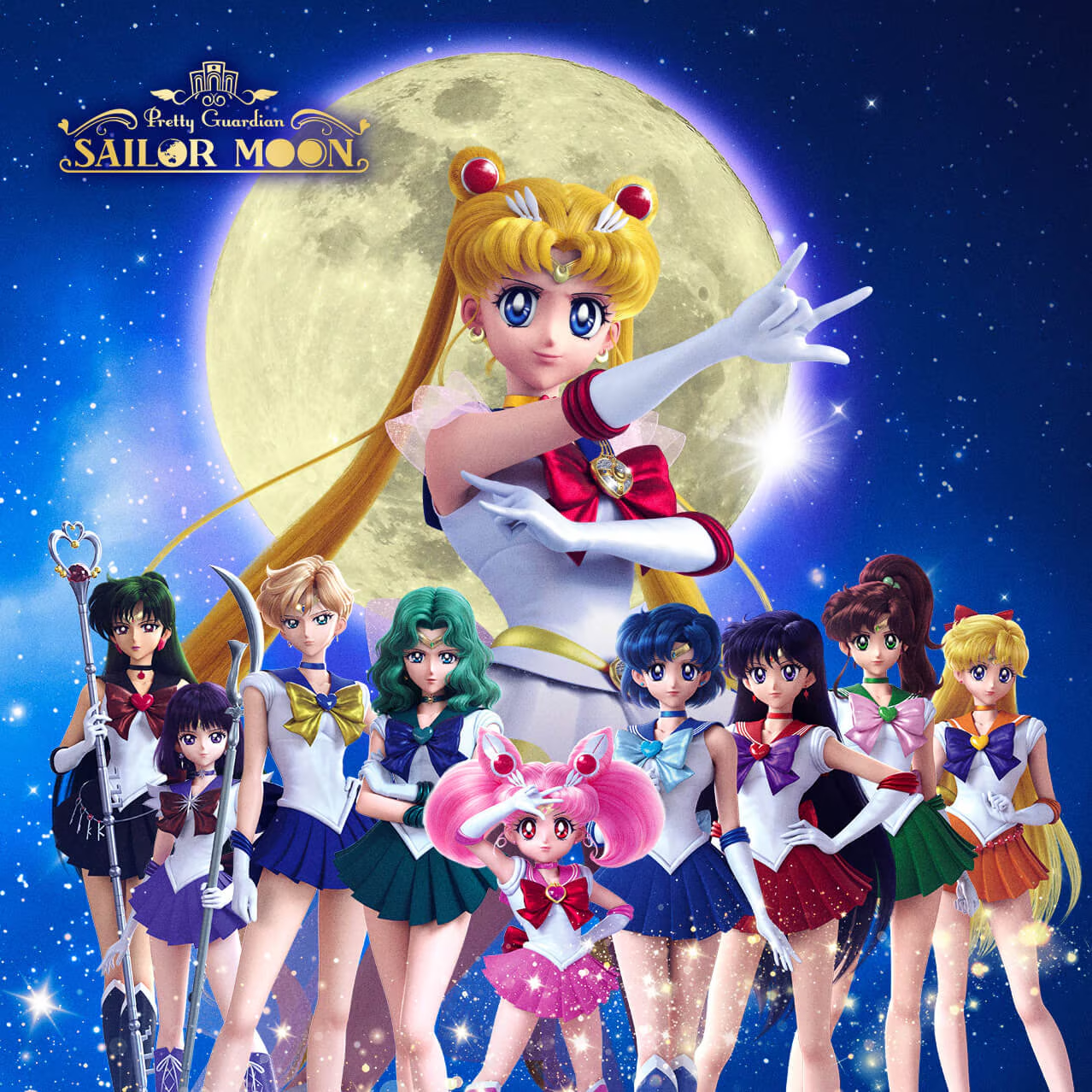
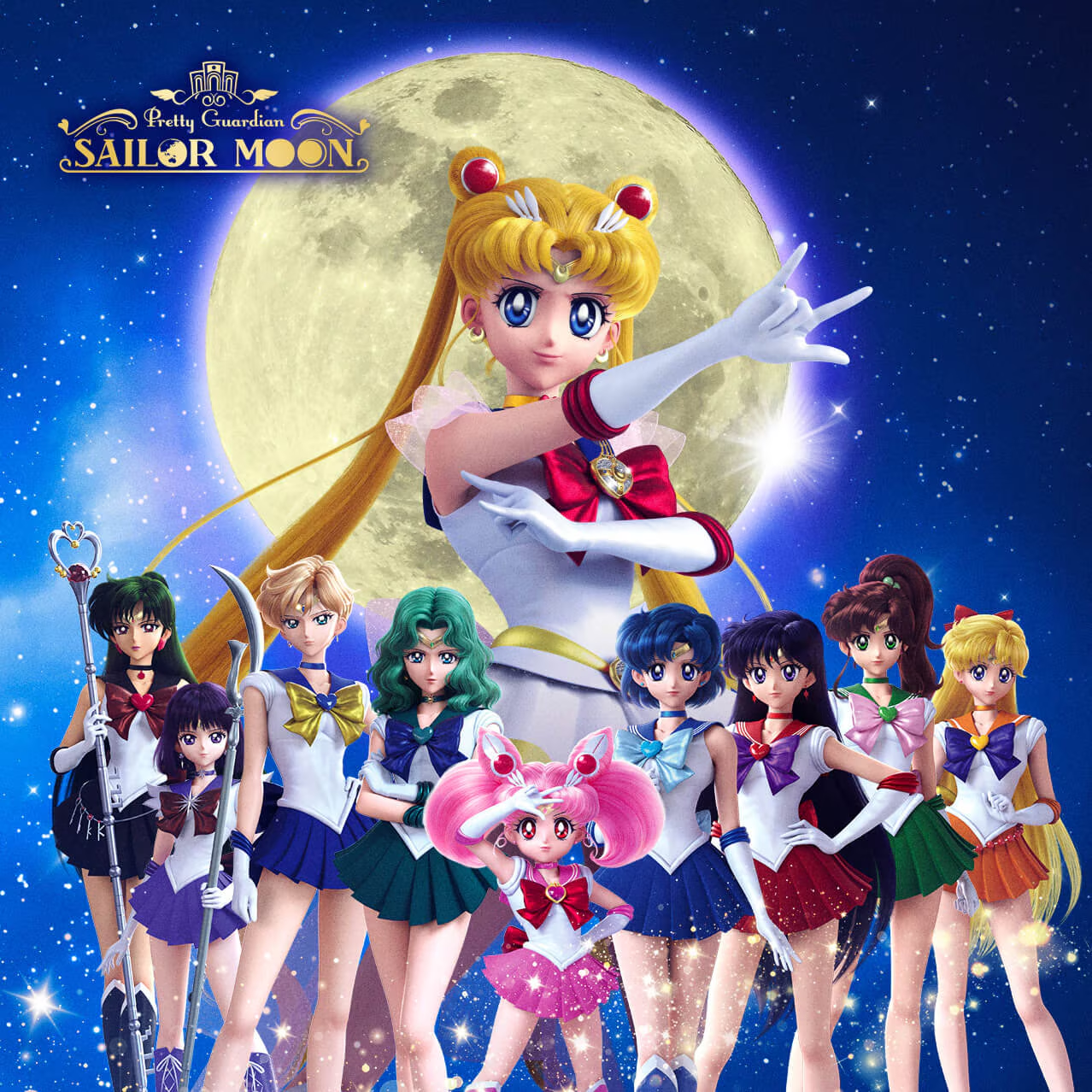
A new chapter in anime-themed entertainment is set to arrive in Southern California as Universal Studios Hollywood announces the debut of Pretty Guardian Sailor Moon: The Miracle – Moon Palace Chapter Deluxe, an original Japanese CG anime short film, as part of its upcoming Universal Fan Fest Nights event.

The experience will run on select nights from April 23 through May 16, offering fans a limited-time opportunity to step into the world of Pretty Guardian Sailor Moon through a cinematic and interactive showcase.

A New Sailor Moon Story Comes to Life

Originally introduced as part of Universal Studios Japan’s “Cool Japan” initiative, the CG anime short will make its U.S. debut inside the DreamWorks Theatre. The presentation will feature Japanese audio with English subtitles and center on Super Sailor Moon as she faces a new enemy seeking the Legendary Silver Crystal.

Guests will be immersed in a story-driven experience that blends animation with audience engagement, encouraging viewers to support Sailor Moon as she battles to restore peace to the Moon Palace.

Universal Fan Fest Nights Expands Anime and Pop Culture Offerings

Universal Fan Fest Nights is a separately ticketed, after-hours event designed to celebrate fandom across anime, gaming, film, and television. The event features immersive environments, live entertainment, cosplay opportunities, themed food and merchandise, and character interactions.

Alongside the Sailor Moon attraction, the 2026 lineup includes a wide range of experiences:

Event Details and Ticketing

The event will take place across 12 nights:

  • April 23–25
  • May 1–3, 7–9, and 14–16

Tickets are currently available in multiple tiers, including General Admission, Express, VIP tours, and multi-night passes. Select theme park attractions will also remain open during the event.

A Growing Presence for Anime in Theme Parks

The addition of Pretty Guardian Sailor Moon: The Miracle – Moon Palace Chapter Deluxe underscores the continued global expansion of anime as a central pillar in themed entertainment. By bringing a Japan-originated experience to U.S. audiences, Universal Studios Hollywood is further bridging international fandoms through immersive storytelling.

As anime continues to grow in popularity worldwide, events like Universal Fan Fest Nights highlight how franchises such as Sailor Moon are evolving beyond the screen—offering fans new ways to engage with beloved characters and stories in real-world environments.

For more content Subscribe to The Kitsune Network!

Join 576 other subscribers
Cocoon – One Summer of Girlhood Turns Flowers Into a Haunting Plea for Peace
Director Yukimitsu Ina and former Studio Ghibli animator Hitomi Tateno speak with …
Neverness to Everness Brings Hethereau’s City Life to Anime Expo 2026 | INTERVIEW
At Anime Expo 2026, VTuber Krystal Vee interviewed Isabel Chung about Neverness …
Inside The Ninth Jedi’s Bigger Star Wars: Visions Story
The Ninth Jedi expands into a full series, exploring the rich backstory …
Goodbye, Lara Director Takushi Koide Reimagines The Little Mermaid for Modern Japan | INTERVIEW
The director of Kinema Citrus' original anime, Goodbye, Lara, discusses its unique …
AOASHI Producer Junichi Katsutani on the Heart, Strategy, and Growth Driving Season 2
At Anime Expo 2026, producer Junichi Katsutani discussed AOASHI's unique blend of …
Thunder3 Director Hiroyuki Seshita and Scriptwriter Hiroshi Seko Break Down the Anime’s Two Worlds | INTERVIEW
The interview with director Hiroyuki Seshita and scriptwriter Hiroshi Seko reveals insights …
Anime Director Kazumi Akio Discusses the heart of ‘From Old Country Bumpkin to Master Swordsman’ Season Two
From Old Country Bumpkin to Master Swordsman follows Beryl, an older swordsman …
Crunchyroll English Cast Talk Witch Hat Atelier, Dr. STONE & Daemons of the Shadow Realm | VTUBE Interview
Crunchyroll's anime lineup showcases diverse storytelling, featuring titles like Witch Hat Atelier, …
GKIDS’ ‘Another World’ Brings Hong Kong’s Record-Breaking Animated Fantasy to Audiences | Exclusive VTube Interview
GKIDS presents "Another World," a dark fantasy animated film from Hong Kong, …
Andrew Choi Talks “KPop Demon Hunters” and Jinu’s Voice at Amazing Art Expo Long Beach
Andrew Choi attended the Amazing Art Expo in Long Beach, discussing his …