Tag Archives: Anime

Neverness to Everness Brings Hethereau’s City Life to Anime Expo 2026 | INTERVIEW

Advertisements

At Anime Expo 2026, VTuber Krystal Vee spoke with Perfect World Games’ Isabel Chung about NTE’s urban open world, chaotic side activities, character-driven exploration, and the team’s goal of making Hethereau feel like a place players can truly live in.

Anime Expo is always overflowing with worlds begging fans to step inside them. There are massive franchise displays, playable demos, character showcases, and enough upcoming games to fill an entire backlog before the weekend is over.

But Neverness to Everness arrived at Anime Expo 2026 with a particularly ambitious invitation:

Krystal at the NTE booth during Anime Expo 2026

Don’t just visit Hethereau. Live there.

Developed by Hotta Studio, Neverness to Everness—better known as NTE—is an anime-inspired urban open-world RPG set in Hethereau, a city where supernatural anomalies exist alongside traffic, apartments, movie theaters, police chases, and everyday city life.

NTE promotional image during its official launch

During the convention, VTuber Krystal Vee spoke with Isabel Chung, Marketing & Communications Manager for Perfect World Games, about what separates NTE from the growing crowd of anime-style, open-world, gacha games and why its unique features may also be some of its most important.

A Supernatural Anime RPG Built Around City Life

Anime-inspired live-service RPGs are hardly rare anymore. Between expansive fantasy worlds, collectible characters, and ongoing updates, players have plenty of options competing for their time. So what makes NTE different?

According to Chung, it starts with the urban setting.

Rather than sending players into a distant fantasy kingdom, NTE places them inside a modern city influenced by both Asian and Western architecture and culture. Supernatural events—known in the game as anomalies—aren’t separated from daily life. They exist right alongside roads, buildings, neighborhoods, businesses, and the people who call the city home.

© Hotta Studio, a Perfect World company. All Rights Reserved.

That combination gives NTE a different atmosphere from many of its genre peers. It can shift from anime action and paranormal danger to something closer to a city-life simulator without asking players to leave the open world behind.

Chung also highlighted the game’s summoning system, noting that NTE avoids the traditional “50/50” mechanic commonly associated with featured-character banners in other gacha titles.

Still, some of the game’s most memorable ideas have little to do with pulls or combat.

Yes, You Can Drive a Wheelchair Through the City

NTE’s open world gives players an unusual amount of freedom—and that freedom can get strange very quickly.

You can drive through the city.

You can commit crimes.

You can attract police attention.

You can get arrested.

You can break out of jail.

You can even end up in a prison fight.

And yes, you can drive a wheelchair down the street.
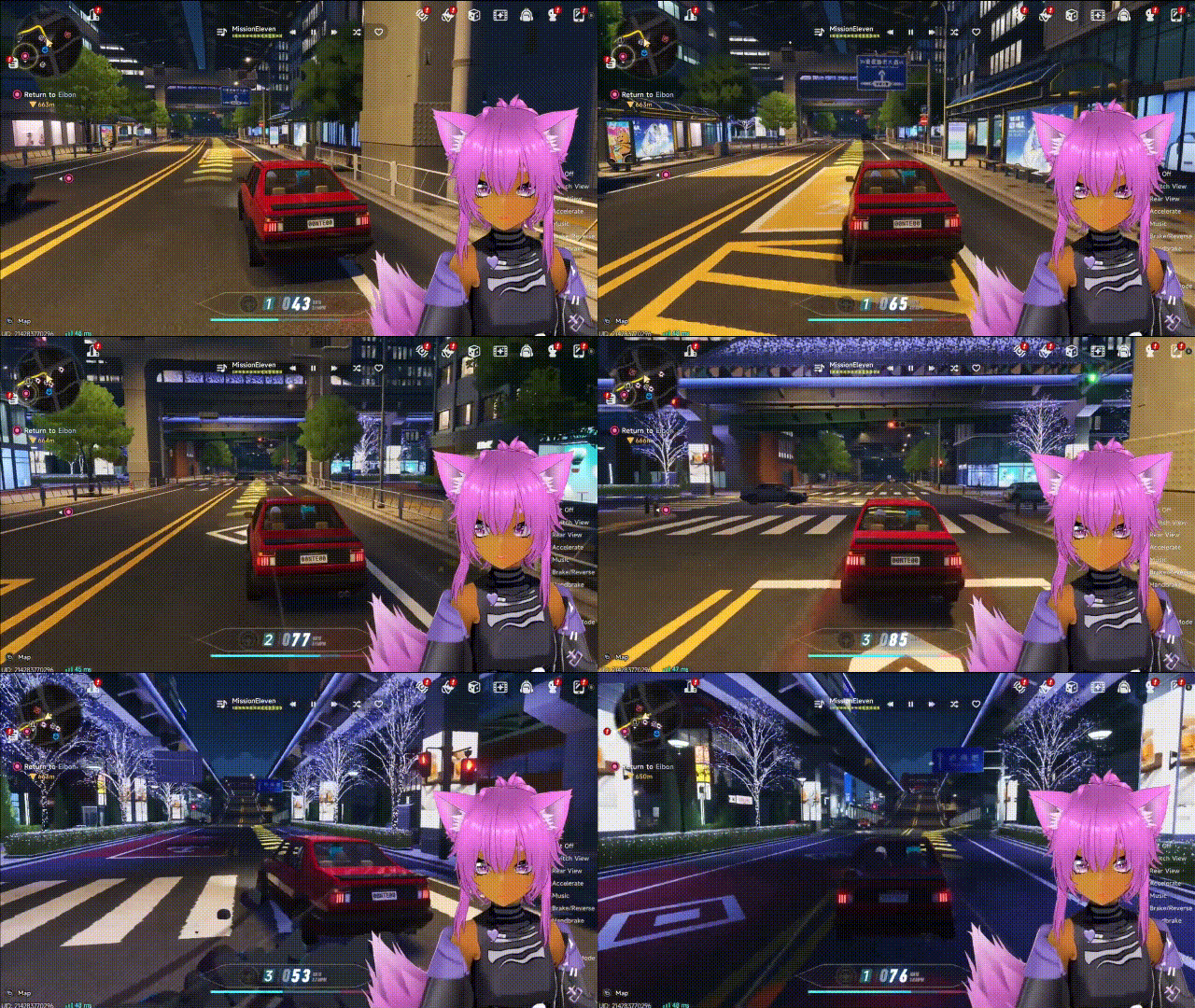
Driving through Hethereau with Mint

Chung recalled content creators reacting with complete disbelief when the wheelchair was added to the game. The feature became the kind of unexpected discovery that instantly communicates what NTE is going for: a world where experimentation and absurdity are just as welcome as carefully planned combat.

For players coming from more traditional gacha games, the character designs and anime presentation may be the immediate draw. But Chung said general gaming audiences have often been surprised by systems such as the wanted mechanic, jail sequences, and the different ways players can attempt to escape.

It is easy to see why NTE has frequently been described online as an “anime GTA.” When Vee brought up the comparison directly, however, Chung declined to define the game that way.

That hesitation makes sense. While the comparison captures NTE’s urban chaos, it does not fully account for the quieter side of the experience.

Because sometimes the game is not about causing trouble at all. Sometimes it is about going to the movies.

Dates, Movies, Apartments, and a Life Beyond Combat

In NTE, fighting supernatural threats is only one part of the player’s routine.

Players can go on dates, spend time with characters, watch movies, purchase and decorate a home, drive around town, or simply find a peaceful place to relax and take photos.

These activities are not being treated as throwaway diversions. Chung explained that they are meant to strengthen the player’s connection to both the cast and the city itself.

The characters are not supposed to feel like units that only appear when it is time to enter battle. Hotta Studio wants them to feel more like companions—people the player actually knows and chooses to spend time with.

“Some people, like, ‘I just wanna fight. I wanna drive,’” Chung said during the interview. Other players, she added, may simply want a game where they can “chill out.”

That contrast is central to NTE’s appeal.

One player may spend an evening hunting anomalies and mastering combat. Another may test the limits of the wanted system and see how much trouble they can cause. Someone else may decorate a house, go to the theater with a favorite character, or relax near the beach.

NTE is not asking every player to enjoy Hethereau in exactly the same way.

It is trying to give everyone a reason to stay.

Character Abilities Change the Way You See Hethereau

NTE’s characters are not defined only by how they perform during battle. Their individual abilities can also affect how players explore the open world.

Chung described characters with powers capable of changing movement and environmental interaction. One ability uses anti-gravity (Nanally), allowing the player to move across buildings in ways that would otherwise be impossible. Another can pause time (Hotori), creating new opportunities to explore the city, line up photographs, or simply observe Hethereau from a different perspective.

That means choosing a character is not only a matter of damage output, team composition, or combat strategy. It can change the way Hethereau itself feels.

A street that appears ordinary with one character may become a platforming route with another. A busy city scene may turn into the perfect frozen moment for photography. Exploration becomes another expression of character identity.

Hotori‘s pause time speical

Chung said this variety was one of the features that excited players during the game’s beta testing periods.

The tests also allowed Hotta Studio to update maps, improve characters and environments, and expand the activities available throughout the city. According to Chung, the biggest question from players afterward was simple:

When can we play more?

Hotta Studio Wants Players to Feel Like Residents, Not Visitors

The clearest explanation of NTE’s design philosophy came when Vee asked what new players should feel when they first enter Hethereau.

Chung’s answer was not about progression systems, rare characters, or difficult battles.

“I don’t want them to feel they are playing a game,” she said.

Instead, she wants players to feel as if they are actually living in Hethereau.

That goal can be seen in the attention placed on transportation, city activities, environmental details, and NPCs with routines of their own.

A convincing open world needs more than a large map. It needs movement, personality, and a sense that something is always happening—even when the player is not actively completing a mission.

NTE wants battles against anomalies, police chases, casual drives, dates, movies, and quiet moments to feel like parts of the same life rather than separate modes selected from a menu.

“I hope they can feel themselves in NTE,” Chung told Vee.
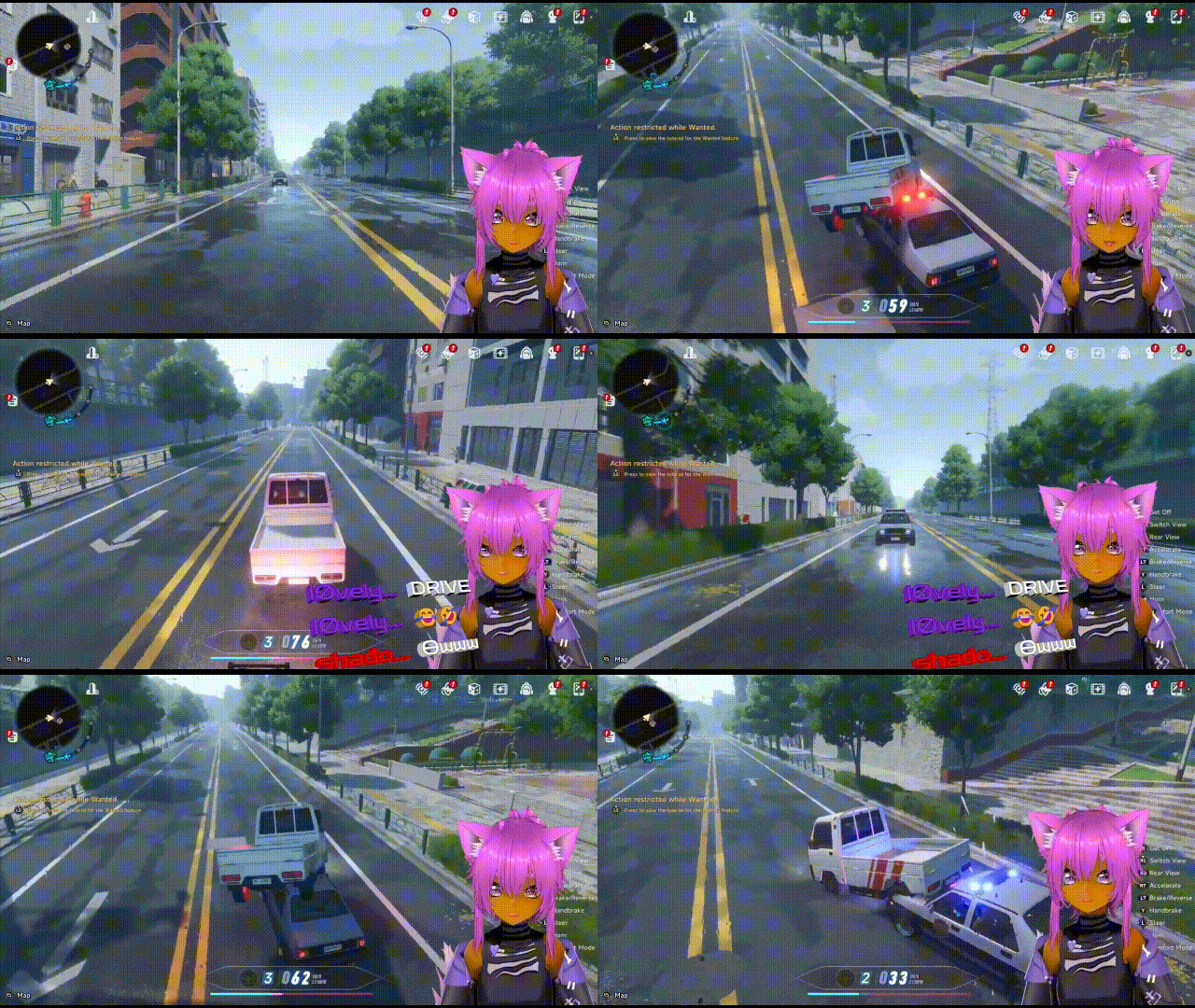
Example of a police chase in NTE

For anime fans, that promise is especially appealing. The fantasy of stepping into an anime world is rarely limited to fighting villains or unlocking new powers. Sometimes the appeal is simply being there—walking through the streets, meeting the characters, and imagining what daily life inside that world might look like.

NTE is attempting to turn that fantasy into its core gameplay loop.

What Comes Next for Neverness to Everness?

Hotta Studio is not ready to reveal every detail about the game’s future, but Chung said the team intends to keep making the city more immersive. That includes adding more activities, improving character design and gameplay systems, and listening closely to community feedback.

“We do need more suggestions from players to help us make this game much greater,” Chung said.

She declined to share more specific development details, explaining that future plans remained confidential.

Her message to new players, however, was much more direct.

Players interested in combat can pursue combos, strategic encounters, and open-world action. Those looking for something more casual can buy and decorate a home, spend time with characters, watch a movie, or relax by the beach.

Looking for a hobby? Try fishing in NTE – Very relaxing

“Just give it a try,” Chung said, “and you will find yourself in it.”

That may be the best summary of NTE’s presence at Anime Expo 2026, where fans had the chance to meet members of the Hotta Studio team, take photos with NTE cosplayers, play the game, participate in booth activities, and giveaways.

Neverness to Everness is not only trying to build an anime open world filled with supernatural battles. It is trying to create a city where fighting, exploring, socializing, and causing ridiculous amounts of trouble all feel equally at home.

The anomalies may bring players to Hethereau. But if Hotta Studio succeeds, the life waiting between those battles may be what convinces them to stay.

Krystal Vee’s interview with Isabel Chung, Marketing & Communications Manager for Perfect World Games, was conducted during Anime Expo 2026 in Los Angeles.

Join 579 other subscribers
Cocoon – One Summer of Girlhood Turns Flowers Into a Haunting Plea for Peace
Director Yukimitsu Ina and former Studio Ghibli animator Hitomi Tateno speak with …
Inside The Ninth Jedi’s Bigger Star Wars: Visions Story
The Ninth Jedi expands into a full series, exploring the rich backstory …
Goodbye, Lara Director Takushi Koide Reimagines The Little Mermaid for Modern Japan | INTERVIEW
The director of Kinema Citrus' original anime, Goodbye, Lara, discusses its unique …
AOASHI Producer Junichi Katsutani on the Heart, Strategy, and Growth Driving Season 2
At Anime Expo 2026, producer Junichi Katsutani discussed AOASHI's unique blend of …
Thunder3 Director Hiroyuki Seshita and Scriptwriter Hiroshi Seko Break Down the Anime’s Two Worlds | INTERVIEW
The interview with director Hiroyuki Seshita and scriptwriter Hiroshi Seko reveals insights …
Anime Director Kazumi Akio Discusses the heart of ‘From Old Country Bumpkin to Master Swordsman’ Season Two
From Old Country Bumpkin to Master Swordsman follows Beryl, an older swordsman …
Crunchyroll English Cast Talk Witch Hat Atelier, Dr. STONE & Daemons of the Shadow Realm | VTUBE Interview
Crunchyroll's anime lineup showcases diverse storytelling, featuring titles like Witch Hat Atelier, …
GKIDS’ ‘Another World’ Brings Hong Kong’s Record-Breaking Animated Fantasy to Audiences | Exclusive VTube Interview
GKIDS presents "Another World," a dark fantasy animated film from Hong Kong, …
Andrew Choi Talks “KPop Demon Hunters” and Jinu’s Voice at Amazing Art Expo Long Beach
Andrew Choi attended the Amazing Art Expo in Long Beach, discussing his …
Shoji Kawamori Returns with First Original Feature Film, Labyrinth — Exclusive VTuber Interview
Anime creator Shoji Kawamori is releasing his highly anticipated film, Labyrinth, which …

Inside The Ninth Jedi’s Bigger Star Wars: Visions Story

Advertisements

Supervising Director Kenji Kamiyama, Director Shunsuke Tada, and Producer Hitoshi Ito discuss Lah Kara’s next chapter, the mystery surrounding Lah Zhima, color-changing lightsabers, and building the series with Lucasfilm.

A lightsaber that changes color according to the heart of its wielder. A former Jedi living quietly as a lightsaber smith. A young heroine stepping toward a new era while the history of the Jedi has nearly faded away.

The Ninth Jedi introduced enough ideas to fill an entire corner of the Star Wars galaxy, even though its original story was told as a short within Star Wars: Visions. Its world felt larger than the time available to explore it, leaving viewers with questions about Lah Kara, her father Lah Zhima, and the unusual lightsabers at the center of their journey.

That sense of a much bigger story was not accidental.

In an interview with The Kitsune Network, Supervising Director Kenji Kamiyama, Director Shunsuke Tada, and Producer Hitoshi Ito discussed how The Ninth Jedi is growing from a self-contained short into a full series. Their answers reveal a project built around unfinished character stories, ambitious animation challenges, and a closer creative partnership with Lucasfilm.

TM & © Lucasfilm Ltd. All Rights Reserved

A Larger Story Was Already Waiting

Kamiyama did not begin expanding The Ninth Jedi from an empty page. Long before the series became possible, he had already developed far more of its characters and world than viewers could see in the original short.

“Whenever I create a work—not only this one—I develop far more background material than what ultimately appears on screen, including the story, characters, and world,” Kamiyama explained. “Even though The Ninth Jedi was a short, I dug deeply into each character and created detailed settings for them.”

Fans noticed that extra depth. Kamiyama recalled viewers discussing the short on social media and sensing that a larger story existed behind what they had watched. Because he already had ideas for where that story could go, he hoped there would eventually be an opportunity to revisit it.

That opportunity arrived when Lucasfilm approached the team about expanding the project.

“I felt it was an opportunity we had to take,” Kamiyama said.

The result is not simply more time in the same setting. The series gives the team room to return to mysteries that were essential to the original short but never fully explained.

Lah Zhima Is Where the Story Begins

TM & © Lucasfilm Ltd. All Rights Reserved

For Kamiyama, the most important thread to preserve was Lah Zhima, Kara’s father.

The original short established that Lah Zhima was a former Jedi who had become a lightsaber smith before being abducted. However, it left the reasons behind those events largely unexplored. Why had he abandoned his former life? Why was he targeted? What happened before Kara’s journey began?

Those questions are not side material. According to Kamiyama, they form the foundation of the larger story.

“Those unanswered questions are central to the short, and they are also where the entire story begins,” he said.

When developing the series, Kamiyama wanted to place Lah Zhima at the center and rebuild the story around his past as one of its main pillars. That approach gives the expansion a strong emotional core: Kara’s future is connected to a history involving her father, the lost Jedi, and the lightsabers he learned to forge.

Instead of simply sending Kara toward the next adventure, the series can explore the events that placed her on that path in the first place.

Building Kara’s New Jedi Group

TM & © Lucasfilm Ltd. All Rights Reserved

While Kamiyama focused on the history driving the plot, Tada concentrated on the relationships carrying it forward.

Tada joined The Ninth Jedi for its continuation and was not involved in producing the original short. When examining where the story had ended, he saw room to better define the relationships among Lah Kara, Ethan, Homen, and their master, Juro.

The characters had gathered, but their individual positions within the group were not yet completely clear. Tada wanted the series to reveal who they are through more than exposition.

“We worked to reveal that through their dialogue, behavior, and small gestures,” Tada said. “Giving those relationships more depth was very important to me.”

For anime fans, those smaller interactions can be just as important as the next major battle. A glance, an argument, or the way one character reacts under pressure can define a group long before anyone explains their feelings aloud. By giving the cast more room to interact, the series can turn the promising party assembled in the short into a more convincing team.

Ito identified another element that needed to remain at the center: Kara’s path toward becoming a new kind of Jedi. Her development and the lightsabers created by Kamiyama are closely connected, allowing the series to explore a new era through both character growth and visual storytelling.

The Lightsabers Created an Animation Challenge

The color-changing lightsabers were among The Ninth Jedi’s most memorable ideas. Rather than remaining fixed, each blade reveals something about the heart of the person holding it.

Preserving that concept in a full series was not guaranteed.

Kamiyama explained that the freedom of Visions made it possible to take risks with the familiar rules surrounding Jedi and lightsabers. Expanding those ideas into a much larger production raised concerns about whether the concept differed too greatly from the established Star Wars setting—and whether fans would continue to accept it.

Support from Ito and Lucasfilm helped the team preserve what made the short distinctive. Because the story exists outside the canon and takes place in the distant future, the team could imagine a world in which the familiar Jedi and their lightsabers had disappeared.

Fan enthusiasm for the original short also mattered. Viewers had already embraced the surprise of seeing lightsaber colors work differently, giving the team confidence to take that creative risk again on a larger scale.

For Tada, however, preserving the idea created a practical animation problem: How do you make those colors visibly different without losing the intense glow that makes a lightsaber feel like a lightsaber?

A dramatic shift from Jedi blue to Sith red is relatively easy to communicate. The colors belonging to Ethan, Homen, and Kara are much more subtle. Viewers can recognize the differences when the blades are compared directly, but reproducing those slight variations consistently on screen required careful work.

The brighter a lightsaber shines, the more its highlight moves toward white, which can wash away the hue the animation team needs the audience to see. The silver lightsaber was the hardest of all.

“Silver is not simply a color; in many ways, it has to be expressed through texture,” Tada explained. “We conducted many tests to make sure it looked right.”

It is the kind of technical detail viewers may register without consciously noticing. If the effect works, the lightsabers remain bright, powerful, and instantly readable while still communicating something unique about each wielder.

Creating Star Wars Across Two Storytelling Traditions

The move from short to series also changed the team’s relationship with Lucasfilm.

Ito explained that the original Visions short was made with considerable creative freedom. Lucasfilm largely trusted the team to develop its own interpretation unless a major issue arose. A full series, however, was a bigger project, and Lucasfilm naturally became more closely involved.

That involvement led to frequent feedback, detailed discussions, and a more collaborative production process. It also required both teams to navigate differences between Japanese and Western approaches to storytelling.

Ito noted that Japanese stories sometimes trust the audience to understand an idea without stating it directly. Western storytelling may ask for the same moment to be explained more explicitly or structured more logically. Reconciling those approaches required patience and careful communication from the production team.

The process was demanding, but Ito described it as equally rewarding.

“Working together as a genuine co-production between the Japanese and American teams taught me a great deal,” Ito said, adding that the project was built on strong mutual respect and trust between the anime staff and Lucasfilm.

That collaboration could become one of the series’ greatest strengths. The Ninth Jedi began as a Japanese animated interpretation of Star Wars, but its expansion is being shaped through a deeper exchange between the teams responsible for both sides of that identity.

Forging the Next Chapter

Supervising Director Kenji Kamiyama, Director Shunsuke Tada, and Producer Hitoshi Ito during our interview at Anime Expo 2026 in Los Angeles

At its core, the expanded version of The Ninth Jedi is holding onto the ideas that made the original short so compelling: a distant future where the Jedi have nearly disappeared, lightsabers capable of revealing their wielders’ hearts, and Lah Kara’s journey toward becoming something new.

The difference is that the team can now explore the history and relationships behind those ideas. Kamiyama is returning to the larger world he had already imagined. Tada is giving Kara, Ethan, Homen, and Juro room to become a believable group. Ito is helping bridge two storytelling traditions as the production grows alongside Lucasfilm.

For fans who finished the short convinced that an entire galaxy existed beyond its final scene, Kamiyama’s answer confirms that instinct was right. The Ninth Jedi always carried the foundation of a much larger adventure. Now, its supervising director, director, and producer are finally forging the rest of that story.

About The Ninth Jedi

In the new series, Lah Kara continues to train in the ways of the Jedi under Margrave Juro. Kara goes on an epic journey of self-discovery as she and Juro’s small fellowship of Jedi in training embark on a quest to save her father and stop a mysterious Sith leader from unleashing darkness upon the galaxy.

Part of an all-new banner, “Star Wars: Visions Presents,” which will be used to tell longer-form “Star Wars: Visions” stories, the limited series picks up not long after the events of the Visions shorts “The Ninth Jedi” and “The Ninth Jedi: Child of Hope.”

Interview responses were lightly edited for clarity. The Japanese-language responses were prioritized when reconstructing the original conversation.

Watch our full interviews above, and stay tuned to The Kitsune Network for more anime coverage, cast interviews, and convention features.

Join 579 other subscribers
Cocoon – One Summer of Girlhood Turns Flowers Into a Haunting Plea for Peace
Director Yukimitsu Ina and former Studio Ghibli animator Hitomi Tateno speak with …
Neverness to Everness Brings Hethereau’s City Life to Anime Expo 2026 | INTERVIEW
At Anime Expo 2026, VTuber Krystal Vee interviewed Isabel Chung about Neverness …
Goodbye, Lara Director Takushi Koide Reimagines The Little Mermaid for Modern Japan | INTERVIEW
The director of Kinema Citrus' original anime, Goodbye, Lara, discusses its unique …
AOASHI Producer Junichi Katsutani on the Heart, Strategy, and Growth Driving Season 2
At Anime Expo 2026, producer Junichi Katsutani discussed AOASHI's unique blend of …
Thunder3 Director Hiroyuki Seshita and Scriptwriter Hiroshi Seko Break Down the Anime’s Two Worlds | INTERVIEW
The interview with director Hiroyuki Seshita and scriptwriter Hiroshi Seko reveals insights …
Anime Director Kazumi Akio Discusses the heart of ‘From Old Country Bumpkin to Master Swordsman’ Season Two
From Old Country Bumpkin to Master Swordsman follows Beryl, an older swordsman …
Crunchyroll English Cast Talk Witch Hat Atelier, Dr. STONE & Daemons of the Shadow Realm | VTUBE Interview
Crunchyroll's anime lineup showcases diverse storytelling, featuring titles like Witch Hat Atelier, …
GKIDS’ ‘Another World’ Brings Hong Kong’s Record-Breaking Animated Fantasy to Audiences | Exclusive VTube Interview
GKIDS presents "Another World," a dark fantasy animated film from Hong Kong, …
Andrew Choi Talks “KPop Demon Hunters” and Jinu’s Voice at Amazing Art Expo Long Beach
Andrew Choi attended the Amazing Art Expo in Long Beach, discussing his …
Shoji Kawamori Returns with First Original Feature Film, Labyrinth — Exclusive VTuber Interview
Anime creator Shoji Kawamori is releasing his highly anticipated film, Labyrinth, which …

Thunder3 Director Hiroyuki Seshita and Scriptwriter Hiroshi Seko Break Down the Anime’s Two Worlds | INTERVIEW

Advertisements

The director and scriptwriter discuss key visuals, character-first adaptation choices, and why hearing fans shout “No!” was exactly the reaction they wanted.

Thunder3 looks like two different anime – or two different game engines – collided inside the same frame. For the creative team, that reality-bending contrast is not a gimmick. It is the key to bringing Yuki Ikeda’s singular science-fiction manga to life.

The Small Three are not exactly the heroes most worlds would choose. Pyontaro Tezuka, Hiroshi Ochanomizu, and Tsubame Azuma are ordinary middle schoolers who play a mysterious disc borrowed from their teacher, Doc. When Pyontaro’s younger sister, Futaba, disappears into the other universe shown on the screen, the trio follows – and discovers that the visual rules, power levels, and dangers of that world are very different from their own.

During Anime Expo 2026, The Kitsune Network spoke with Thunder3 chief director Hiroyuki Seshita and series composition and scriptwriter Hiroshi Seko about the unusual challenge of adapting those clashing realities. Their answers revealed a production driven as much by affection for the characters as by high-concept visual experimentation.

A Manga That Had to Move

Asked why Thunder3 needed to become an anime, Seshita did not overcomplicate the answer: “It is very simple: I read the original manga and found it incredibly interesting.”

Seko responded with the kind of dry joke that immediately established the pair’s easy rapport. “Because Mr. Seshita told me, ‘Do it,'” he said before laughing and clarifying that Seshita had simply invited him to join the project.

Beneath the joke is a serious adaptation problem. Thunder3 is not merely a manga with two settings; it is built around two dramatically different visual languages. The Small Three and their familiar world carry an overtly manga-like charm, while the universe beyond the screen is rendered with a much harsher sense of reality. Animation had to preserve that collision without making either side feel like it belonged to a completely different production.

No Spoilers, No Homework

For newcomers wondering how much they should learn before pressing play, Seshita and Seko offered the same advice: nothing at all.

“They do not need to know anything,” Seshita said. “I would like them to simply enjoy it without any prior knowledge.” Seko agreed, adding that he would actually prefer viewers not seek out advance information before starting the series.

That is a refreshing instruction in an era when seasonal anime arrives surrounded by trailers, character videos, manga comparisons, and frame-by-frame fan theories. Thunder3 wants the first encounter to feel like finding a strange disc yourself: familiar for a moment, then suddenly impossible to predict.

When the Characters Outgrow the Storyboards

The most exciting surprise for Seshita was not a giant action sequence or a technical breakthrough. It was watching the characters become even more charming once they moved and gained color.

He explained that the cast’s appeal grew far beyond what the team expected, to the point that they added shots that had not been part of the original plan. The potential had always existed in Ikeda’s manga, but animation made the production team see the characters differently.

Futaba and her dog Pusuke stood out to both Seshita and Seko. Seshita was surprised by how lovable the pair became on screen, while Seko said their simple presence could sustain a moment even when the plot was not advancing. For anyone who has ever watched a game companion steal an entire scene through a tiny idle animation, the feeling should be instantly recognizable. “Their presence alone can carry a scene, and that helped us enormously.” said, Seko.

Designing the Collision Between Two Worlds

Finding the right visual boundary between the manga world and the realistic universe became one of Seshita’s greatest challenges. Early experiments pushed the contrast in obvious directions. The team considered presenting the realistic world in black and white. They also tested an extremely detailed, realistic approach.

Neither solution worked. Making the world too realistic stripped away its appeal as animation. Turning it black and white created separation, but it weakened the drama taking place there. The goal was more delicate: the realistic world needed to remain visually engaging while the arrival of the manga-like characters still felt strange and disruptive.

The answer came from the original manga covers. Seshita’s team surrounded the manga-world characters with halftone dots inspired by older American comics and the limitations of early printing technology. The effect lets the characters carry a trace of their home medium into the other universe, creating a boundary without breaking the image apart.

“That became the visual rule that defined the style,” Seshita said. It is the kind of elegant visual solution that anime and video game fans love to dissect: a simple effect that communicates world-building before a character says a word.

Giving Segami Room to Breathe

Adaptation also meant knowing when the anime needed more material. Seko pointed to Teichi Segami, the constantly complaining college student whose internal monologue became one of Seshita’s favorite elements in the realistic world.

The manga material surrounding Segami was not long enough to fill an entire episode exactly as written, so Seko expanded his scenes and dug deeper into his personality. That decision is especially visible in the anime’s fourth episode, “MR. SEGAMI.”

Seko was careful to distinguish the expansion from filler. “It was not background material or simple filler; we used the additional time to give his character more depth,” he explained. The added material gave the anime room to communicate Segami’s charm and oddness instead of treating him as a bridge between larger plot points.

Protecting the Manga Without Freezing It in Place

For Seko, the central responsibility of adaptation is preserving the appeal of the original work without treating manga panels as untouchable storyboards. Manga, he noted, is constructed from connected still images on paper. Anime has to transform those images into movement in the most interesting way possible.

That transformation requires choices about pacing, episode length, comedy, action, and where a scene needs more breathing room. Yet one rule remains constant. “The greater challenge – and this is true of any adaptation, not only Thunder3 – is never losing the appeal of the original work,” Seko said. “That is the foundation of everything.”

It is a philosophy visible throughout the interview: fidelity is not measured by recreating every panel at the same speed. It is measured by whether the anime can reproduce the feeling that made the manga worth adapting in the first place.

The Best Kind of “No!”

The director and scriptwriter had just returned from an Anime Expo screening when Krystal asked about their favorite audience reaction. Seshita said viewers responded emotionally to the same moments that moved the production team, creating the sense that their intentions had reached the room exactly as planned.

Then episode two ended – and the audience loudly objected.

“It was a very audible ‘no,'” for Seshita and Seko, that was a victory. The cliffhanger had landed. Seko was equally pleased that the crowd laughed at the moments designed for comedy before shouting when the episode stopped. “Hearing everyone shout ‘No!’ made me incredibly happy,” he said.

That reaction may be the clearest sign that Thunder3’s complicated mixture is working. The show can jump between meta-comedy, hard science fiction, alien danger, and character-driven absurdity, then still make a room full of fans demand the next episode in unison.

The Cliffhangers Are Just Getting Started

Seshita hopes manga readers will appreciate how movement makes the cast feel more alive and emotionally accessible, allowing viewers to travel through the story alongside them. For everyone else, his advice remains simple: avoid overthinking it and start watching.

He also had a warning for the fans who shouted at the end of the Anime Expo screening: “Be prepared, because the cliffhangers are going to keep coming.”

Seko made the final pitch even more direct. Watch the first episode, he said, and you will want to continue. Considering the reaction at Anime Expo, plenty of viewers have already discovered that stopping may be the hardest part.

Where to Watch and Read Thunder3

Thunder3 began airing July 8, 2026, on Fuji TV’s +Ultra programming block in Japan and is available on Netflix. Kodansha publishes Yuki Ikeda’s original manga in English in print and digital formats.

This article is based on The Kitsune Network’s interview with director Hiroyuki Seshita and scriptwriter Hiroshi Seko at Anime Expo 2026. Interview responses have been lightly edited for clarity.

Watch our full interviews above, and stay tuned to The Kitsune Network for more anime coverage, cast interviews, and convention features.

Join 579 other subscribers
Cocoon – One Summer of Girlhood Turns Flowers Into a Haunting Plea for Peace
Director Yukimitsu Ina and former Studio Ghibli animator Hitomi Tateno speak with …
Neverness to Everness Brings Hethereau’s City Life to Anime Expo 2026 | INTERVIEW
At Anime Expo 2026, VTuber Krystal Vee interviewed Isabel Chung about Neverness …
Inside The Ninth Jedi’s Bigger Star Wars: Visions Story
The Ninth Jedi expands into a full series, exploring the rich backstory …
Goodbye, Lara Director Takushi Koide Reimagines The Little Mermaid for Modern Japan | INTERVIEW
The director of Kinema Citrus' original anime, Goodbye, Lara, discusses its unique …
AOASHI Producer Junichi Katsutani on the Heart, Strategy, and Growth Driving Season 2
At Anime Expo 2026, producer Junichi Katsutani discussed AOASHI's unique blend of …
Anime Director Kazumi Akio Discusses the heart of ‘From Old Country Bumpkin to Master Swordsman’ Season Two
From Old Country Bumpkin to Master Swordsman follows Beryl, an older swordsman …
Crunchyroll English Cast Talk Witch Hat Atelier, Dr. STONE & Daemons of the Shadow Realm | VTUBE Interview
Crunchyroll's anime lineup showcases diverse storytelling, featuring titles like Witch Hat Atelier, …
GKIDS’ ‘Another World’ Brings Hong Kong’s Record-Breaking Animated Fantasy to Audiences | Exclusive VTube Interview
GKIDS presents "Another World," a dark fantasy animated film from Hong Kong, …
Andrew Choi Talks “KPop Demon Hunters” and Jinu’s Voice at Amazing Art Expo Long Beach
Andrew Choi attended the Amazing Art Expo in Long Beach, discussing his …
Shoji Kawamori Returns with First Original Feature Film, Labyrinth — Exclusive VTuber Interview
Anime creator Shoji Kawamori is releasing his highly anticipated film, Labyrinth, which …

Anime Director Kazumi Akio Discusses the heart of ‘From Old Country Bumpkin to Master Swordsman’ Season Two

Advertisements

From Old Country Bumpkin to Master Swordsman follows Beryl, an older swordsman living quietly in the countryside whose former disciples bring him into the center of the city and push him toward greater recognition.

In an interview with The Kitsune Network, series director Kazumi Akio described the anime as a success story about an older man whose abilities are recognized by the people around him—even when Beryl himself is reluctant to step into the spotlight.


“It follows an older gentleman who lives in the countryside,” Kazumi explained. “His former disciples call on him and bring him to the center of the city, where he begins to find success. In that sense, it’s a success story.”

As the series moves into Season two, its focus expands beyond Beryl’s skills as a swordsman. According to Kazumi, the new season explores his development as a person and delivers a central message about finding the courage to move forward, regardless of age.

©Shigeru Sagazaki,Tetsuhiro Nabeshima/SQUARE ENIX, From Old Country Bumpkin to Master SwordsmanII Project

What Makes Beryl Different

Unlike many fantasy protagonists, Beryl is not a young and highly ambitious hero determined to prove himself. He is older, experienced, and largely satisfied with the life he already has. “He’s older, so he isn’t especially ambitious or eager to put himself out there,” Kazumi said. “His attitude is more like, ‘I’m old—just leave me alone.’ But the people around him keep pushing him into the spotlight.
That’s one of the things that makes him interesting.”

Beryl’s age also gives the series a distinctive balance between comedy and emotional sincerity. Rather than constantly chasing new achievements, he possesses a level of confidence and emotional composure that comes from experience.

©Shigeru Sagazaki,Tetsuhiro Nabeshima/SQUARE ENIX, From Old Country Bumpkin to Master SwordsmanII Project


“With older people, it isn’t necessarily that they’ve given up; they may simply have more emotional composure,” Kazumi explained. “They don’t need to be extremely ambitious or constantly struggle to level up. There’s a quiet confidence that comes from being satisfied with where they are.”

That satisfaction contributes to some of the show’s comedy, particularly when the people around Beryl continue pushing him into situations he would rather avoid. However, Beryl is still willing to put in the effort when it matters.

“There’s comedy in that, but Beryl does eventually put in the effort and try hard,” Kazumi said. “I think that creates the balance.”

Season Two Explores Beryl’s Personal Growth

One of the most important developments carrying over from Season one is Beryl’s relationship with Mewi. What begins as a relationship between a teacher and his disciple eventually becomes something closer to that of a father and daughter.

“In Season one, Beryl develops what is essentially a father-daughter relationship with Mewi,” Kazumi said. “We follow her growth as a character, and that part of the story reaches a conclusion. Afterward, she is no longer simply his disciple—she is his adopted daughter.” This changing relationship affects the way Beryl thinks about himself. He begins considering how Mewi sees him now that he is not merely her teacher, but also her guardian and father figure.

©Shigeru Sagazaki,Tetsuhiro Nabeshima/SQUARE ENIX, From Old Country Bumpkin to Master SwordsmanII Project

At the beginning of Season two, Mewi challenges Beryl to stop using his age as a reason to hold himself back. “She tells him not to use his age as an excuse and that he can’t slack off simply because he’s older,” Kazumi explained. “He has to find the courage to keep moving forward despite his age.”

According to Kazumi, this represents one of the biggest differences between the two seasons. “Season one focuses on Beryl becoming a sword saint,” he said. “Season two is more about his growth as a human being—improving and becoming a better person.”

The Challenge of Creating Realistic Sword Fights

While Beryl’s emotional development remains essential to the story, sword fighting continues to be a major component of the anime. When adapting the original light novel and manga, Kazumi said the production team focused on two particularly important elements: portraying Beryl positively and carefully constructing the sword battles.

Instead of relying entirely on exaggerated or flashy action, the staff sought to create sword fights that felt grounded and believable. Kazumi explained that this restraint made the action more difficult to produce. “Creating flashy action can be relatively easy,” he said. “The greater challenge is knowing what to subtract.”

According to Kazumi, realistic battles can be more complicated to create than spectacular action sequences, especially under the production demands of a television anime. “Grounded, down-to-earth, realistic sword battles are actually more difficult to create,” he said. “That was the most challenging part.” To better understand sword movement, approximately five or six members of the production staff visited a Western-style sword-fighting dojo. The experience helped them consider how the series’ battles should move and unfold.

©Shigeru Sagazaki,Tetsuhiro Nabeshima/SQUARE ENIX, From Old Country Bumpkin to Master SwordsmanII Project

The team also devoted considerable attention to individual confrontations. Kazumi specifically mentioned the battle with Rose at the end of Season one, explaining that the staff extensively discussed and debated how its conclusion should play out.

A Message for Viewers of Every Age

At the center of Season two is the message that age should never become an excuse for giving up or refusing to move forward. “The biggest message is that age doesn’t matter,” Kazumi said. “No matter what your age is, the intention to move forward, take that step, and continue moving forward is the most important thing.”

Although Beryl is an older protagonist, Kazumi emphasized that this message is not limited to older viewers. Younger people may also feel pressured to stop pursuing their interests because others consider those interests childish. “Even people in their twenties might hear someone say, ‘What are you doing that’s so childish?’” Kazumi
explained. “Although the story follows an older character, its message also applies to younger audiences. Age shouldn’t matter.”

For Kazumi, Season two is ultimately about progress. It encourages viewers to take another step forward without allowing their age—or other people’s expectations—to define what they can accomplish.

Kazumi Akio Shares a Message with Fans

Closing the interview, Kazumi expressed his appreciation for everyone who supported the anime’s first season. “I’m incredibly happy that so many people watched Season one,” he said. “With Season two, I want to do even more and further emphasize the idea of moving forward and taking that next step.”


More than anything, Kazumi hopes Beryl’s journey provides viewers with encouragement and gives them a reason to look toward the future. “If watching Season two helps even one person feel that they want to live another day—that they want to see tomorrow—that would make me happiest of all,” he said. “I also hope many viewers fall in love with the characters.”

Through Beryl’s continuing journey, From Old Country Bumpkin to Master Swordsman Season two aims to remind viewers that personal growth is not restricted by age. Whether someone is beginning a new chapter later in life or facing pressure to abandon something they love, taking the next step forward remains what matters most.

From Old Country Bumpkin to Master Swordsman Season 2 premiered in Japan on July 8, 2026, and is streaming internationally through Prime Video. The season is directed by Kazumi Akio and continues Beryl Gardenant’s journey as new responsibilities, relationships, and battles challenge the reluctant swordmaster to keep moving forward.

Watch our full interviews above, and stay tuned to The Kitsune Network for more anime coverage, cast interviews, and convention features.

Join 579 other subscribers
Cocoon – One Summer of Girlhood Turns Flowers Into a Haunting Plea for Peace
Director Yukimitsu Ina and former Studio Ghibli animator Hitomi Tateno speak with …
Neverness to Everness Brings Hethereau’s City Life to Anime Expo 2026 | INTERVIEW
At Anime Expo 2026, VTuber Krystal Vee interviewed Isabel Chung about Neverness …
Inside The Ninth Jedi’s Bigger Star Wars: Visions Story
The Ninth Jedi expands into a full series, exploring the rich backstory …
Goodbye, Lara Director Takushi Koide Reimagines The Little Mermaid for Modern Japan | INTERVIEW
The director of Kinema Citrus' original anime, Goodbye, Lara, discusses its unique …
AOASHI Producer Junichi Katsutani on the Heart, Strategy, and Growth Driving Season 2
At Anime Expo 2026, producer Junichi Katsutani discussed AOASHI's unique blend of …
Thunder3 Director Hiroyuki Seshita and Scriptwriter Hiroshi Seko Break Down the Anime’s Two Worlds | INTERVIEW
The interview with director Hiroyuki Seshita and scriptwriter Hiroshi Seko reveals insights …
Crunchyroll English Cast Talk Witch Hat Atelier, Dr. STONE & Daemons of the Shadow Realm | VTUBE Interview
Crunchyroll's anime lineup showcases diverse storytelling, featuring titles like Witch Hat Atelier, …
GKIDS’ ‘Another World’ Brings Hong Kong’s Record-Breaking Animated Fantasy to Audiences | Exclusive VTube Interview
GKIDS presents "Another World," a dark fantasy animated film from Hong Kong, …
Andrew Choi Talks “KPop Demon Hunters” and Jinu’s Voice at Amazing Art Expo Long Beach
Andrew Choi attended the Amazing Art Expo in Long Beach, discussing his …
Shoji Kawamori Returns with First Original Feature Film, Labyrinth — Exclusive VTuber Interview
Anime creator Shoji Kawamori is releasing his highly anticipated film, Labyrinth, which …

Crunchyroll English Cast Talk Witch Hat Atelier, Dr. STONE & Daemons of the Shadow Realm | VTUBE Interview

Advertisements

Crunchyroll’s latest anime lineup continues to spotlight a wide range of storytelling, from magical fantasy and post-apocalyptic science adventure to supernatural action rooted in mystery and family conflict. As part of our coverage, our in house Vtuber talent Krystal Vee, had the opportunity to speak with the English voice cast behind three standout anime titles: Witch Hat Atelier, Dr. STONE SCIENCE FUTURE, and Daemons of the Shadow Realm.

Witch Hat Atelier

Based on Kamome Shirahama’s beloved manga, Witch Hat Atelier follows Coco, a young girl who dreams of becoming a witch in a world where magic is believed to be something only a select few are born with. Her life changes after a fateful encounter with the mysterious witch Qifrey, leading her into a world of magical study, wonder, and hidden dangers.

In our interview, Joshua A. Waters (Qifrey), and Madeleine Morris (Agott) discussed bringing the magical world of Witch Hat Atelier to life, the emotional layers behind their characters, and how the series balances wonder, mentorship, and personal growth.

Dr. STONE SCIENCE FUTURE

Dr. STONE SCIENCE FUTURE continues the story of Senku Ishigami and the Kingdom of Science as they push humanity closer to a future rebuilt through knowledge, experimentation, and determination. With the series entering a major stage of its story, the anime continues to blend science, adventure, comedy, and emotional character moments.

The English dub features returning cast members Aaron Dismuke as Senku, Felecia Angelle as Kohaku, and Brandon McInnis as Gen. Crunchyroll confirmed the English dub cast for Dr. STONE SCIENCE FUTURE Cour 3, including Dismuke, Angelle, and McInnis in their respective roles.

During our conversation, the cast reflected on their characters’ journeys, the energy of returning to such a beloved series, and what makes Dr. STONE stand out as an anime that celebrates intelligence, teamwork, and the drive to move forward.

Daemons of the Shadow Realm

From Fullmetal Alchemist creator Hiromu Arakawa, Daemons of the Shadow Realm introduces audiences to a world of supernatural forces, hidden truths, and powerful bonds. The story follows twins Yuru and Asa, whose lives are shaped by mystery, conflict, and the strange beings known as daemons.

The English dub stars Ben Stegmair as Yuru and Molly Zhang as Asa. Crunchyroll announced the English dub cast with Stegmair and Zhang leading the series as the twin protagonists.

In our interview, Stegmair and Zhang spoke about portraying siblings caught in extraordinary circumstances, the tone of Arakawa’s storytelling, and how the series mixes action, humor, and emotional tension.


From the magical artistry of Witch Hat Atelier, to the scientific adventure of Dr. STONE SCIENCE FUTURE, and the supernatural mystery of Daemons of the Shadow Realm, each title brings something distinct to Crunchyroll’s anime lineup. Through our conversations with the English voice cast, it is clear that these performances are built with care, enthusiasm, and a deep appreciation for the stories they help bring to life.

Watch our full interviews above, and stay tuned to The Kitsune Network for more anime coverage, cast interviews, and convention features.

Join 579 other subscribers
Cocoon – One Summer of Girlhood Turns Flowers Into a Haunting Plea for Peace
Director Yukimitsu Ina and former Studio Ghibli animator Hitomi Tateno speak with …
Neverness to Everness Brings Hethereau’s City Life to Anime Expo 2026 | INTERVIEW
At Anime Expo 2026, VTuber Krystal Vee interviewed Isabel Chung about Neverness …
Inside The Ninth Jedi’s Bigger Star Wars: Visions Story
The Ninth Jedi expands into a full series, exploring the rich backstory …
Goodbye, Lara Director Takushi Koide Reimagines The Little Mermaid for Modern Japan | INTERVIEW
The director of Kinema Citrus' original anime, Goodbye, Lara, discusses its unique …
AOASHI Producer Junichi Katsutani on the Heart, Strategy, and Growth Driving Season 2
At Anime Expo 2026, producer Junichi Katsutani discussed AOASHI's unique blend of …
Thunder3 Director Hiroyuki Seshita and Scriptwriter Hiroshi Seko Break Down the Anime’s Two Worlds | INTERVIEW
The interview with director Hiroyuki Seshita and scriptwriter Hiroshi Seko reveals insights …
Anime Director Kazumi Akio Discusses the heart of ‘From Old Country Bumpkin to Master Swordsman’ Season Two
From Old Country Bumpkin to Master Swordsman follows Beryl, an older swordsman …
GKIDS’ ‘Another World’ Brings Hong Kong’s Record-Breaking Animated Fantasy to Audiences | Exclusive VTube Interview
GKIDS presents "Another World," a dark fantasy animated film from Hong Kong, …
Andrew Choi Talks “KPop Demon Hunters” and Jinu’s Voice at Amazing Art Expo Long Beach
Andrew Choi attended the Amazing Art Expo in Long Beach, discussing his …
Shoji Kawamori Returns with First Original Feature Film, Labyrinth — Exclusive VTuber Interview
Anime creator Shoji Kawamori is releasing his highly anticipated film, Labyrinth, which …

GKIDS’ ‘Another World’ Brings Hong Kong’s Record-Breaking Animated Fantasy to Audiences | Exclusive VTube Interview

Advertisements

GKIDS is bringing Another World, a visually arresting animated dark fantasy from Hong Kong, to audiences following the film’s landmark theatrical and festival success.

Directed by Tommy Ng Kai Chung in his feature directorial debut, Another World has already made history as the No. 1 highest-grossing Hong Kong film of 2025 and the highest-grossing Hong Kong animated film of all time. The film also earned Best Animated Feature at the 62nd Golden Horse Awards and was selected for several major international festivals, including the Annecy International Animation Film Festival 2025, the Taipei Golden Horse Film Festival and the 21st Zurich Film Festival.

Based on Naka Saijo’s novel SENNENKI, published by Tokuma Shoten Publishing Co., Ltd., Another World blends supernatural fantasy with deeply human themes of grief, rage, forgiveness and reconciliation.

A Dark Fairy Tale Between Life, Death and Reincarnation

Another World follows Gudo, a Soul Keeper responsible for guiding human souls into their next life. When Gudo befriends a young girl named Yuri, he discovers that her untimely death has left her soul cursed by unresolved rage and regret.

As Yuri’s soul teeters on the edge of annihilation, Gudo sets out on a dangerous journey to prevent her pain from unleashing destruction across both the human world and the spirit realm.

Described as a dark fairy tale, the film explores how hatred and despair can shape a soul — and how compassion, even in its smallest form, can become a path toward healing.

A Story Rooted in Forgiveness and Emotional Healing

In his director’s note, Tommy Ng Kai Chung describes Another World as a reflection of the harshness of the real world and the hidden struggles people often carry. He explains that the film centers on belief: the belief that compassion can bridge generations and heal even the deepest scars.

Screenwriter and producer Polly Yeung Po Man also connects the film’s emotional core to anger, regret and redemption. Her note frames the story around a central question: how long does it take for someone to let go of anger and hatred, not only toward others, but toward themselves?

That question gives Another World its emotional weight, positioning the film not only as a fantasy adventure, but as a meditation on pain, self-forgiveness and the possibility of change across lifetimes.

Interview with Tommy Ng Kai Chung

In collaboration with VTuber, Krystal Vee, we had the opportunity to sit down with director Tommy Ng Kai Chung for a special virtual interview about the making of the film.

Cast and Creative Team

The Cantonese-language film stars Chung Suet Ying as Gudo, Choi Hiu Tung as Yuri, Louis Cheung as Dark Sky, Kay Tse as Goddess, Will Or as Keung and Yeung Nga Man as Goran.

The film is directed by Tommy Ng Kai Chung, written by Polly Yeung Po Man and produced by Yeung alongside Chan Gin Kai. Another World runs 112 minutes and is presented in its original Cantonese language. The film is currently not rated.

Ng is the founder of Point Five Creations, a Hong Kong-based animation studio specializing in full-service cel animation production. His previous work includes award-winning animated shorts such as Everywhere, Another World and Tale of Rebellious Stone, along with commercial and music video projects for brands and titles including Assassin’s Creed, Nike Air Max and Snakehips X Jess Glynne’s “Lie For You.”

Hong Kong Animation Steps Onto a Larger Global Stage

With its record-breaking box office performance and growing international festival presence, Another World represents a major moment for Hong Kong animation. The film’s combination of hand-crafted visual style, spiritual fantasy and emotionally driven storytelling places it alongside the kind of global animated cinema GKIDS has long championed.

GKIDS has built its reputation around bringing artist-driven animation to North American audiences, including works from acclaimed filmmakers such as Makoto Shinkai, Satoshi Kon, Tomm Moore and Mamoru Hosoda. The company also serves as the North American home of Studio Ghibli.

For audiences drawn to fantasy stories with emotional depth, Another World offers a journey through rage, sorrow and redemption — one that asks whether compassion can survive even across death, reincarnation and a thousand years of unresolved pain.

Subscribe to The Kitsune Network for more content!

Join 579 other subscribers
Cocoon – One Summer of Girlhood Turns Flowers Into a Haunting Plea for Peace
Director Yukimitsu Ina and former Studio Ghibli animator Hitomi Tateno speak with …
Neverness to Everness Brings Hethereau’s City Life to Anime Expo 2026 | INTERVIEW
At Anime Expo 2026, VTuber Krystal Vee interviewed Isabel Chung about Neverness …
Inside The Ninth Jedi’s Bigger Star Wars: Visions Story
The Ninth Jedi expands into a full series, exploring the rich backstory …
Goodbye, Lara Director Takushi Koide Reimagines The Little Mermaid for Modern Japan | INTERVIEW
The director of Kinema Citrus' original anime, Goodbye, Lara, discusses its unique …
AOASHI Producer Junichi Katsutani on the Heart, Strategy, and Growth Driving Season 2
At Anime Expo 2026, producer Junichi Katsutani discussed AOASHI's unique blend of …
Thunder3 Director Hiroyuki Seshita and Scriptwriter Hiroshi Seko Break Down the Anime’s Two Worlds | INTERVIEW
The interview with director Hiroyuki Seshita and scriptwriter Hiroshi Seko reveals insights …
Anime Director Kazumi Akio Discusses the heart of ‘From Old Country Bumpkin to Master Swordsman’ Season Two
From Old Country Bumpkin to Master Swordsman follows Beryl, an older swordsman …
Crunchyroll English Cast Talk Witch Hat Atelier, Dr. STONE & Daemons of the Shadow Realm | VTUBE Interview
Crunchyroll's anime lineup showcases diverse storytelling, featuring titles like Witch Hat Atelier, …
Andrew Choi Talks “KPop Demon Hunters” and Jinu’s Voice at Amazing Art Expo Long Beach
Andrew Choi attended the Amazing Art Expo in Long Beach, discussing his …
Shoji Kawamori Returns with First Original Feature Film, Labyrinth — Exclusive VTuber Interview
Anime creator Shoji Kawamori is releasing his highly anticipated film, Labyrinth, which …

Shoji Kawamori Returns with First Original Feature Film, Labyrinth — Exclusive VTuber Interview

Advertisements

Renowned anime creator Shoji Kawamori is ready to release his latest original feature film, Labyrinth in North America, marking a highly anticipated return to long-form storytelling from one of the industry’s most influential visionaries.

Best known for his work on the Macross franchise and his contributions to mechanical design and worldbuilding across decades of anime, Kawamori’s new project is already drawing attention for its ambitious concept and creative pedigree.

A New Original Vision

Labyrinth is described as an original anime film that explores complex themes through a visually immersive narrative. The film’s plot is described as follows; Shiori is a typical high school student who dreams of online stardom, but struggles to capture attention. After an embarrassing video of her goes viral, she gets trapped in her smartphone and replaced by a charismatic alter ego. As the doppelganger charms the internet and devises a nefarious plot to replace mankind with brainrot, Shiori must partner with other online outcasts to stop her digital counterpart and reclaim her life in the real world.

Additionally, Labyrinth stars globally popular Japanese girl group ATARASHII GAKKO!’s Suzuka as “Shiori Maezawa” in her voice acting debut, joined by Taizo Harada as “Komori” and Takuto Teranishi, from the boy group timelesz, in his debut acting role as “Suguru Kagami”. Fans of ATARASHII GAKKO! can also look forward to their performance of the film’s theme song “Sailor, Sail On,” with additional music by yonkey.

Kawamori has long been recognized for crafting narratives that balance spectacle with introspection, and Labyrinth appears poised to continue that legacy. The project is expected to feature intricate worldbuilding and symbolic storytelling elements, hallmarks of his past works.

INTERVIEW WITH SHOJI KAWAMORI

To learn more about the creative vision behind Labyrinth, our VTuber talent Krystal Vee, spoke directly with Shoji Kawamori about the film’s origins, themes, and what audiences can expect from this ambitious new project,

Kawamori’s Legacy in Anime

Over the course of his career, Kawamori has played a pivotal role in shaping modern anime, not only as a director but also as a designer and conceptual creator. In addition to Macross, his credits include work on titles such as Aquarion and AKB0048, where he explored themes of identity, music, and society.

His influence extends beyond storytelling—Kawamori is widely regarded as one of the pioneers of transforming mecha design, helping define the look and functionality of variable fighter systems that remain iconic today.

Watch Labyrinth Now

Tickets are now on sale for Labyrinth, and will be released in theatres for two nights only in Japanese with English subtitles and English-dubbed from May 10–11.

GKIDS, the acclaimed animation distributor and producer, also revealed a new English dub trailer for the film. The English dub voice cast stars Shay Rudolph as “Shiori”, Jesse Inocalla as “Komori”, Nicholas Leung as “Suguru”, Patrick Mealey as “Yamada”, and Brianna Gentilella as “Kirara”.

English Trailer

Japanese Trailer

For more content Subscribe to The Kitsune Network!

Join 579 other subscribers
Cocoon – One Summer of Girlhood Turns Flowers Into a Haunting Plea for Peace
Director Yukimitsu Ina and former Studio Ghibli animator Hitomi Tateno speak with …
Neverness to Everness Brings Hethereau’s City Life to Anime Expo 2026 | INTERVIEW
At Anime Expo 2026, VTuber Krystal Vee interviewed Isabel Chung about Neverness …
Inside The Ninth Jedi’s Bigger Star Wars: Visions Story
The Ninth Jedi expands into a full series, exploring the rich backstory …
Goodbye, Lara Director Takushi Koide Reimagines The Little Mermaid for Modern Japan | INTERVIEW
The director of Kinema Citrus' original anime, Goodbye, Lara, discusses its unique …
AOASHI Producer Junichi Katsutani on the Heart, Strategy, and Growth Driving Season 2
At Anime Expo 2026, producer Junichi Katsutani discussed AOASHI's unique blend of …
Thunder3 Director Hiroyuki Seshita and Scriptwriter Hiroshi Seko Break Down the Anime’s Two Worlds | INTERVIEW
The interview with director Hiroyuki Seshita and scriptwriter Hiroshi Seko reveals insights …
Anime Director Kazumi Akio Discusses the heart of ‘From Old Country Bumpkin to Master Swordsman’ Season Two
From Old Country Bumpkin to Master Swordsman follows Beryl, an older swordsman …
Crunchyroll English Cast Talk Witch Hat Atelier, Dr. STONE & Daemons of the Shadow Realm | VTUBE Interview
Crunchyroll's anime lineup showcases diverse storytelling, featuring titles like Witch Hat Atelier, …
GKIDS’ ‘Another World’ Brings Hong Kong’s Record-Breaking Animated Fantasy to Audiences | Exclusive VTube Interview
GKIDS presents "Another World," a dark fantasy animated film from Hong Kong, …
Andrew Choi Talks “KPop Demon Hunters” and Jinu’s Voice at Amazing Art Expo Long Beach
Andrew Choi attended the Amazing Art Expo in Long Beach, discussing his …

McDonald’s X KPop Demon Hunters: All You Need To Know

Advertisements

The world of KPop Demon Hunters is stepping off the screen and into real life as McDonald’s and Netflix unveil a new collaboration that transforms the film’s iconic rivalry into an interactive dining experience.

Beginning March 31, fans across the United States will be able to choose their side with two limited-time meals inspired by the film’s central groups — HUNTR/X and the Saja Boys — alongside exclusive collectibles and digital rewards.

The campaign blends anime-style storytelling, K-pop energy, and Korean-inspired flavors, creating an experience that goes beyond a traditional fast-food promotion and taps directly into the film’s growing global fandom.

Pick Your Side: HUNTR/X vs. The Saja Boys

At the center of the collaboration are two themed meals designed to reflect each group’s identity.

The Saja Boys Breakfast Meal channels the group’s fiery, charismatic energy with a spicy Sausage McMuffin with Egg, crispy hash browns, and a drink — a bold start for fans aligning with the rival boy group.

Meanwhile, the HUNTR/X Meal takes the spotlight for the rest of the day, featuring 10-piece Chicken McNuggets, a medium drink, and unique additions like Ramyeon McShaker fries and two signature sauces — Hunter Sauce and Demon Sauce — inspired by the group’s dynamic personalities.

The menu also incorporates Korean flavor influences, reinforcing the cultural roots that define KPop Demon Hunters.

Collectibles and Exclusive Fan Access

Each meal comes with a collectible photocard pack tied to either HUNTR/X or the Saja Boys, alongside a special “Derpy” access card. By scanning the QR code through the McDonald’s app, fans can unlock exclusive content and participate in a campaign-wide “Battle for the Fans” event, culminating in a final reveal of the winning group.

This interactive element turns the collaboration into more than a promotion — it becomes a fan-driven experience that mirrors the competitive spirit of the film itself.

A Sweet Newcomer Hits the Menu

Rounding out the collaboration is the debut of the Derpy McFlurry, a new dessert featuring vanilla soft serve blended with berry popping pearls and wild berry sauce. Inspired by the film’s mascot-like character, the treat adds a playful finishing touch to the lineup.

Derpy McFlurry

Expanding Anime’s Cultural Footprint

Directed by Maggie Kang and Chris Appelhans, KPop Demon Hunters follows a K-pop girl group balancing global stardom with secret lives as demon hunters, all while facing a rival boy band hiding a darker truth.

With this collaboration, McDonald’s and Netflix continue to push anime and animation-inspired properties further into mainstream culture — not just through streaming, but through real-world, interactive fan experiences.

For anime fans, K-pop listeners, and collectors alike, the question now becomes simple:

Which side are you on?

The KPop Demon Hunters meals and promotional rewards will be available for a limited time through April 26 at participating McDonald’s locations nationwide.

For more content Subscribe to The Kitsune Network!

Join 579 other subscribers
Cocoon – One Summer of Girlhood Turns Flowers Into a Haunting Plea for Peace
Director Yukimitsu Ina and former Studio Ghibli animator Hitomi Tateno speak with …
Neverness to Everness Brings Hethereau’s City Life to Anime Expo 2026 | INTERVIEW
At Anime Expo 2026, VTuber Krystal Vee interviewed Isabel Chung about Neverness …
Inside The Ninth Jedi’s Bigger Star Wars: Visions Story
The Ninth Jedi expands into a full series, exploring the rich backstory …
Goodbye, Lara Director Takushi Koide Reimagines The Little Mermaid for Modern Japan | INTERVIEW
The director of Kinema Citrus' original anime, Goodbye, Lara, discusses its unique …
AOASHI Producer Junichi Katsutani on the Heart, Strategy, and Growth Driving Season 2
At Anime Expo 2026, producer Junichi Katsutani discussed AOASHI's unique blend of …
Thunder3 Director Hiroyuki Seshita and Scriptwriter Hiroshi Seko Break Down the Anime’s Two Worlds | INTERVIEW
The interview with director Hiroyuki Seshita and scriptwriter Hiroshi Seko reveals insights …
Anime Director Kazumi Akio Discusses the heart of ‘From Old Country Bumpkin to Master Swordsman’ Season Two
From Old Country Bumpkin to Master Swordsman follows Beryl, an older swordsman …
Crunchyroll English Cast Talk Witch Hat Atelier, Dr. STONE & Daemons of the Shadow Realm | VTUBE Interview
Crunchyroll's anime lineup showcases diverse storytelling, featuring titles like Witch Hat Atelier, …
GKIDS’ ‘Another World’ Brings Hong Kong’s Record-Breaking Animated Fantasy to Audiences | Exclusive VTube Interview
GKIDS presents "Another World," a dark fantasy animated film from Hong Kong, …
Andrew Choi Talks “KPop Demon Hunters” and Jinu’s Voice at Amazing Art Expo Long Beach
Andrew Choi attended the Amazing Art Expo in Long Beach, discussing his …

Universal Fan Fest Nights to Debut New ‘Sailor Moon’ Anime Experience at Universal Studios Hollywood

Advertisements

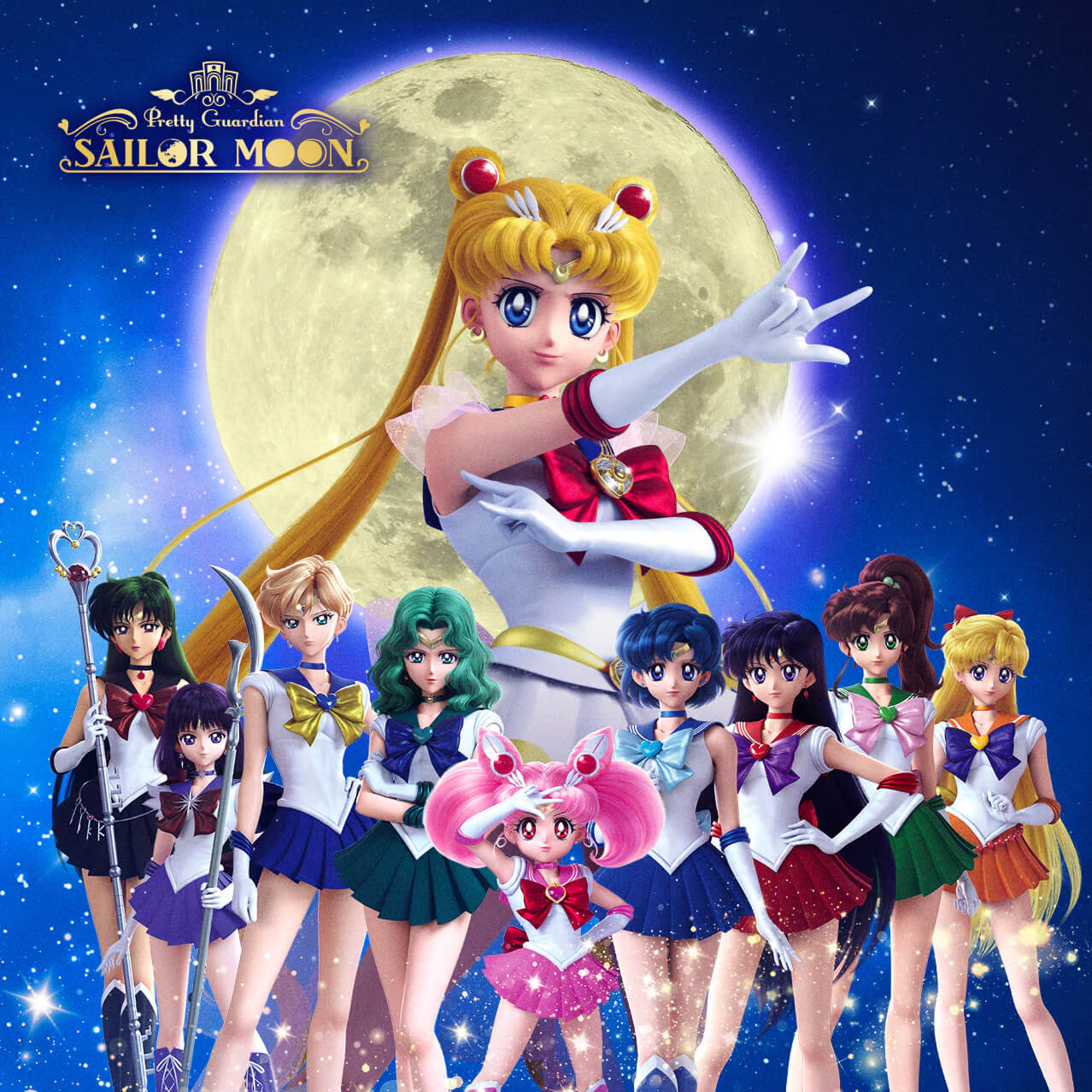
A new chapter in anime-themed entertainment is set to arrive in Southern California as Universal Studios Hollywood announces the debut of Pretty Guardian Sailor Moon: The Miracle – Moon Palace Chapter Deluxe, an original Japanese CG anime short film, as part of its upcoming Universal Fan Fest Nights event.

The experience will run on select nights from April 23 through May 16, offering fans a limited-time opportunity to step into the world of Pretty Guardian Sailor Moon through a cinematic and interactive showcase.

A New Sailor Moon Story Comes to Life

Originally introduced as part of Universal Studios Japan’s “Cool Japan” initiative, the CG anime short will make its U.S. debut inside the DreamWorks Theatre. The presentation will feature Japanese audio with English subtitles and center on Super Sailor Moon as she faces a new enemy seeking the Legendary Silver Crystal.

Guests will be immersed in a story-driven experience that blends animation with audience engagement, encouraging viewers to support Sailor Moon as she battles to restore peace to the Moon Palace.

Universal Fan Fest Nights Expands Anime and Pop Culture Offerings

Universal Fan Fest Nights is a separately ticketed, after-hours event designed to celebrate fandom across anime, gaming, film, and television. The event features immersive environments, live entertainment, cosplay opportunities, themed food and merchandise, and character interactions.

Alongside the Sailor Moon attraction, the 2026 lineup includes a wide range of experiences:

Event Details and Ticketing

The event will take place across 12 nights:

  • April 23–25
  • May 1–3, 7–9, and 14–16

Tickets are currently available in multiple tiers, including General Admission, Express, VIP tours, and multi-night passes. Select theme park attractions will also remain open during the event.

A Growing Presence for Anime in Theme Parks

The addition of Pretty Guardian Sailor Moon: The Miracle – Moon Palace Chapter Deluxe underscores the continued global expansion of anime as a central pillar in themed entertainment. By bringing a Japan-originated experience to U.S. audiences, Universal Studios Hollywood is further bridging international fandoms through immersive storytelling.

As anime continues to grow in popularity worldwide, events like Universal Fan Fest Nights highlight how franchises such as Sailor Moon are evolving beyond the screen—offering fans new ways to engage with beloved characters and stories in real-world environments.

For more content Subscribe to The Kitsune Network!

Join 579 other subscribers
Cocoon – One Summer of Girlhood Turns Flowers Into a Haunting Plea for Peace
Director Yukimitsu Ina and former Studio Ghibli animator Hitomi Tateno speak with …
Neverness to Everness Brings Hethereau’s City Life to Anime Expo 2026 | INTERVIEW
At Anime Expo 2026, VTuber Krystal Vee interviewed Isabel Chung about Neverness …
Inside The Ninth Jedi’s Bigger Star Wars: Visions Story
The Ninth Jedi expands into a full series, exploring the rich backstory …
Goodbye, Lara Director Takushi Koide Reimagines The Little Mermaid for Modern Japan | INTERVIEW
The director of Kinema Citrus' original anime, Goodbye, Lara, discusses its unique …
AOASHI Producer Junichi Katsutani on the Heart, Strategy, and Growth Driving Season 2
At Anime Expo 2026, producer Junichi Katsutani discussed AOASHI's unique blend of …
Thunder3 Director Hiroyuki Seshita and Scriptwriter Hiroshi Seko Break Down the Anime’s Two Worlds | INTERVIEW
The interview with director Hiroyuki Seshita and scriptwriter Hiroshi Seko reveals insights …
Anime Director Kazumi Akio Discusses the heart of ‘From Old Country Bumpkin to Master Swordsman’ Season Two
From Old Country Bumpkin to Master Swordsman follows Beryl, an older swordsman …
Crunchyroll English Cast Talk Witch Hat Atelier, Dr. STONE & Daemons of the Shadow Realm | VTUBE Interview
Crunchyroll's anime lineup showcases diverse storytelling, featuring titles like Witch Hat Atelier, …
GKIDS’ ‘Another World’ Brings Hong Kong’s Record-Breaking Animated Fantasy to Audiences | Exclusive VTube Interview
GKIDS presents "Another World," a dark fantasy animated film from Hong Kong, …
Andrew Choi Talks “KPop Demon Hunters” and Jinu’s Voice at Amazing Art Expo Long Beach
Andrew Choi attended the Amazing Art Expo in Long Beach, discussing his …

Interview: Mangaka Shiten Akiyama on Creating HORIZON

Advertisements

In recent years, manga readers have increasingly embraced works that challenge conventional storytelling. One such title is HORIZON, a series that blends philosophical themes, grounded realism, and an unusual narrative tone that shifts between genres.

Created by Shiten Akiyama, HORIZON explores the relationship between fiction and reality while following a protagonist navigating personal history and unresolved emotions. With its distinct pacing, cinematic composition, and thought-provoking ideas, the series has sparked curiosity among readers searching for something outside traditional manga structures.

Front cover of HORIZON (Japanese) | (c) 秋山視点/少年画報社

Although the manga itself remains relatively niche in Japan, HORIZON recently circulated widely on social media following controversy surrounding creator Shiten Akiyama posting an English-translated version of the first chapter online in an effort to reach overseas readers—a move that reportedly drew concern from the series’ Japanese publisher.

In this interview with The Kitsune Network, Akiyama-sensei discusses the origins of HORIZON, the themes that shaped its creation, and how his perspective on storytelling continues to evolve.


Interview With Shiten Akiyama – HORIZON

Shiten Akiyama‘s Twitter profile picture

The Origins of HORIZON

Krystal: To begin, could you tell us what inspired you to create HORIZON?

Shiten Akiyama:
Originally, I planned to draw only short works. However, if I wanted to pursue manga professionally, serialization was essentially the only path forward. I created several proposals and storyboards, but most of them did not work out.

During discussions with my editor, I encountered a barrier—the idea that “a project must be fully understood before it can be approved.” At that point, I decided to stop overthinking and simply create a storyboard for a first chapter. That draft became the early concept for HORIZON. From there, I began developing the series’ concept and setting.


Meaning Behind the Title

Krystal: The title HORIZON suggests ideas like distance and perspective. What meaning does the title hold for you?

Shiten Akiyama:
In the earliest concept, the series was actually titled Because the Earth Is Ending. However, the core theme of the work eventually became “fiction and reality.” I chose the word HORIZON because it represents the boundary between those two worlds.

Interestingly, I discovered the word while working on music production in a DAW. I noticed a plugin called “Horizon” by Waves that I frequently used.

I also designed the logo myself. The base font is “Plaza,” which was used in the logo for director Satoshi Kon’s animated film Perfect Blue. I also like the symmetrical arrangement of the “O” letters centered around the “I.”


The Reader Experience

Krystal: When you began drawing the series, what kind of experience or emotions did you want readers to feel?

Shiten Akiyama:
My goal was to create the feeling that the genre changes with each volume. Chapters 1 through 6 were intentionally written with the tone of a light romantic comedy. The reason for that is to betray the reader’s expectations in Chapter 7.

Another core theme is the relationship between fiction and reality—something I constantly think about. Ultimately, this leads to a paradoxical message to the reader: “Don’t read manga.”

Even the discomfort someone might feel from reading a manga can be part of what makes manga interesting.


Character Inspiration

Krystal: Were the characters in HORIZON inspired by real people or society, or do they reflect parts of yourself?

Shiten Akiyama:
Each character has a real-life model among people close to me. I sometimes ask them about subtle nuances in dialogue, their thought processes, or their values.

However, because I am the one drawing them, my own personality inevitably enters every character. Sometimes that even feels a little unsettling.


Creating the Series’ Atmosphere

Krystal: HORIZON has a distinctive atmosphere from the very beginning. How did you approach building that tone visually and narratively?

Shiten Akiyama:
For me, realism is always the most important factor, so I never intentionally tried to create something unusual.

However, readers often comment on the dialogue. Since much of the story is conversation-driven without action scenes, I try to make those exchanges engaging enough to carry the scene.

Even within those dialogue-heavy moments, I spend a lot of time thinking about camera angles and panel layout. My approach is heavily influenced by the directing style of Akio Jissoji, known for his work on Ultraman.


Silence, Pacing, and Visual Rhythm

Krystal: The series also uses silence and panel spacing in striking ways. What role do these elements play in the storytelling?

Shiten Akiyama:
I personally dislike overly “manga-like” techniques, so I always imagine a live-action camera when composing scenes.

I try to avoid elaborate paneling and instead focus on the rhythm of time as experienced by the reader. This includes background-only panels and carefully adjusting the amount of dialogue within a panel.

These decisions help the story feel less like an exaggerated fictional world and more like the lives of people who might exist nearby in reality.


Artistic Influences

Krystal: Were there particular artists or works that influenced the tone of HORIZON?

Shiten Akiyama:
The foundation of my manga comes from the works of Inio Asano. However, although I’ve been influenced by many manga, I rarely incorporate those influences directly.

Most of my inspiration comes from films and novels.

For HORIZON, I often thought about Night on the Galactic Railroad by Kenji Miyazawa and 2001: A Space Odyssey by Arthur C. Clarke.

Toward the later chapters of the story, The Consumer Society by Jean Baudrillard also served as an important conceptual influence.


Introducing HORIZON to New Readers

Krystal: How would you describe HORIZON to readers discovering it for the first time?

Shiten Akiyama:
I often see readers struggling to describe the series, and honestly, I feel the same way. It is not an easy work to introduce.

In truth, I create manga primarily for myself. As I get older, I find myself disliking more things—even becoming bored with manga that I once loved.

So I created the kind of manga that would still excite someone like me.

If it reaches readers who feel the same way I did in the past, that would make me very happy.


Message to International Readers

Krystal: What would you like to say to international readers discovering your work through HORIZON?

Shiten Akiyama:
Overseas readers often know a great deal about Japanese culture, and communicating with them is always enjoyable.

First of all, I want to sincerely thank readers for their interest in Japanese culture.

The freedom and diversity of manga culture are supported not only by creators but also by the diversity of readers. Because I am not a mainstream author, reaching international readers and communicating with them can positively influence my creative work.

Thank you very much for reading HORIZON. I will continue doing my best so that one day readers can confidently call it a masterpiece.


(c) 秋山視点/少年画報社

HORIZON is currently published in Japan by Shōnen Gahōsha, and an official English-language release has not yet been announced. Readers interested in experiencing the series and supporting creator Shiten Akiyama can find the manga available through retailers such as Amazon(JP account required) and Kinokuniya Books (US).

To celebrate our interview with Shiten Akiyama, The Kitsune Network is giving readers a chance to win a copy of HORIZON. This giveaway is independently organized by The Kitsune Network and is not affiliated with, sponsored by, or endorsed by Shiten Akiyama, the manga HORIZON, or its publisher Shōnen Gahōsha. Go to the NEXT PAGE and enter for your chance to win and experience the thought-provoking series for yourself.